
The weekend field guide
Card show autograph signings: how they work and how to prepare
How autograph signings work at a card show: ticketed and free sessions, what to bring, authentication, good etiquette and how to protect signed items afterward.
At a card show signing, a guest signs items for fans, either in a ticketed session, at a table for a fee per item, or in a free appearance. To get the most from one, confirm the terms ahead of time, bring items the guest will actually sign, choose a form of authentication, arrive early and be respectful of the line and the guest.
This guide is for collectors who are attending a signing for the first time and for organizers' customers who want to avoid surprises. It covers how signings are arranged, what to ask the organizer, what to bring, authentication, etiquette, safety and storing what you receive. It is general information. Guests and organizers set their own rules, which can change at short notice, so rely on the organizer's current announcement.
How signings are arranged
Signings come in several forms. In a ticketed session, you buy a ticket or a time slot for one or more signatures. In a table or booth format, you pay per item and queue. Some appearances are free, with limits on the number of items per person. A private signing is arranged by a dealer or the organizer for a small group, often with photographs.
The organizer decides the format and may change it. Look for the guest's name, the dates and times, the price or ticket type, the item limits, the rules on personal items versus purchased ones and any restrictions on photographs or inscriptions.
Ask before you go
Use the contact on the listing or the organizer's website and ask about anything the announcement does not cover. Useful questions include whether the guest signs personal items, what the limits are, whether inscriptions are allowed and at what cost, whether the guest will sign sports equipment or only cards and photographs, and what happens if the guest cannot attend.
Ask also how refunds work if a session is cancelled or if the guest leaves early, and keep the answers in writing. You can browse the organizer pages to find who runs a show.
What to bring
Bring the items you plan to have signed, and bring them well protected: sleeves and rigid holders for cards, flat photograph sleeves, boxes for larger items. Bring a pen only if the organizer says the guest's preferred markers are not provided, and follow any rules about outside items.
Bring your ticket or confirmation, a form of identification if the organizer asks, and a means of payment for extras. A bag with a stiff board helps carry flat items without bending them. Leave fragile or very valuable pieces at home if you are not sure they will be accepted.
Authentication and records
Authentication gives buyers confidence that a signature is genuine. Some organizers offer on-site witness authentication, in which a representative observes the signing and attaches a label or records it. Others rely on a third party that you send items to afterward, and some signings include nothing.
Ask what is included and what costs extra, and keep every label, certificate and receipt.
What your record should include
Note the guest, the date, the event, the item, what was written and the authentication details. A photograph of the signing, if allowed, can be useful documentation. Be wary of unsigned items sold with a claim that a guest signed them somewhere else, and buy from sellers who explain how an item was authenticated.
Etiquette in line and at the table
Arrive early, line up where staff direct you and expect delays. Have your items ready before you reach the front, and open any protective covers beforehand. Keep your requests simple and respect time limits. Many guests will not engage in lengthy conversations, and a polite thank you goes a long way.
Do not hold up the line with demands, do not reach across the table and do not ask for something the organizer has said is not allowed. If you have an accessibility need, tell the staff before the session so they can help.
Safety and avoiding scams
Buy tickets only from the organizer or the sellers the organizer names. Be cautious of resold tickets and of messages from strangers offering signed items or special access. Pay by methods that protect you, and keep records of every purchase.
Keep your belongings with you in crowds. If something goes wrong, tell the staff right away and keep your receipts so you can raise a refund or a dispute with the organizer or your card issuer.
Protect signed items afterward
Keep signed items in archival sleeves or holders, away from direct sunlight, heat and damp, which can fade ink and damage surfaces. Let ink dry before closing a cover. Store items flat or upright as appropriate, and consider a display case that blocks ultraviolet light for items you want to show.
Keep a list of what you own with photographs and receipts. It helps with insurance and, if you sell later, it helps a buyer trust what they are getting. Our guide to preparing cards for grading explains how to protect cards, and our guide to selling at a card show covers selling them.
Frequently asked questions
Can I bring items from home for the guest to sign?
It depends on the organizer and the guest. Some sessions allow personal items and some only allow items bought at the show. Check before you go.
Are inscriptions allowed?
Often, sometimes for an extra fee. Ask the organizer, and keep in mind that an inscription can change how a collector values an item.
What happens if the guest does not show up?
Policies vary. Ask the organizer about refunds or alternatives before you buy a ticket and keep the written answer.
Do I need authentication for a signed item?
You do not need it to enjoy an item, but buyers value it if you sell later. Ask what the organizer offers and whether it is included.
Can I take photographs?
Rules differ by guest and organizer. Ask staff before you take any, and follow their instructions.
How early should I arrive?
Earlier than you think, especially for popular guests. Follow the organizer's announcement and the staff's directions on the day.
Put your plan into motion
Find your next show.
Use the listing's official source to confirm the latest dates, public hours and entry rules.
Find shows in this directoryKeep planning
More useful guides
Planning your first show: a visitor checklist
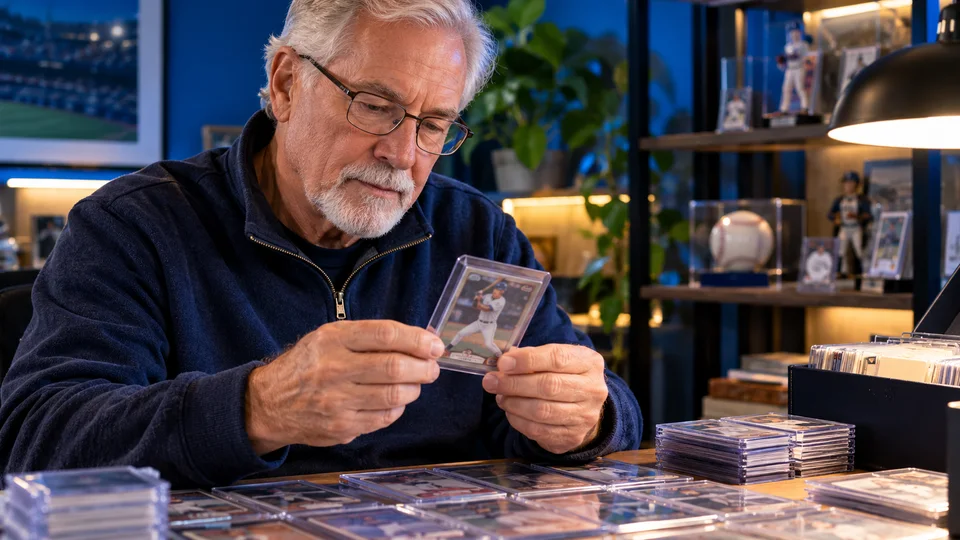
Choose a show that suits your interests, confirm the practical details and keep the organizer’s information handy before you travel.
Read guide : Planning your first show: a visitor checklist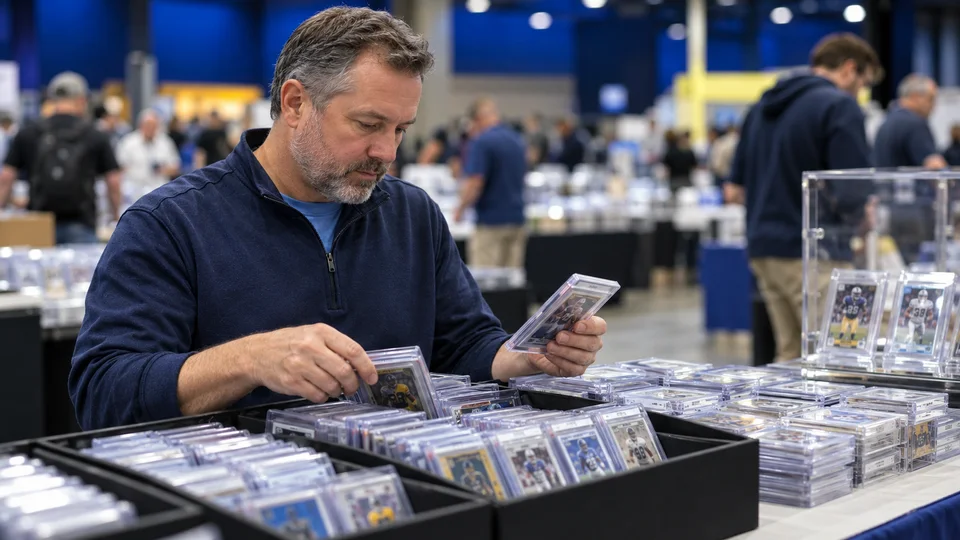
Preparing to sell at a card show: a seller checklist
Confirm your seller application, table equipment, setup time and organizer terms before booking a place at a card show.
Read guide : Preparing to sell at a card show: a seller checklist
Selling at a card show: table setup and pricing without guesswork
How to sell at a card show: read the dealer terms, plan your stock, set up a clear table, price from recent sales, handle trades and payment, and pack out safely.
Read guide : Selling at a card show: table setup and pricing without guesswork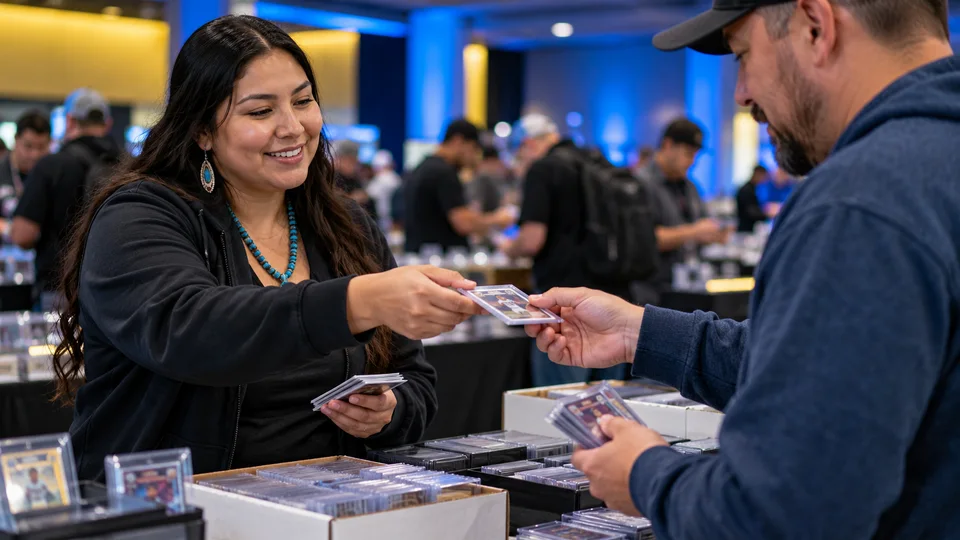
Preparing cards for grading: what to check before you submit
Before you submit a card for grading, decide if it is worth it, check centering, corners, edges and surface, protect it, and learn the service terms and timing.
Read guide : Preparing cards for grading: what to check before you submit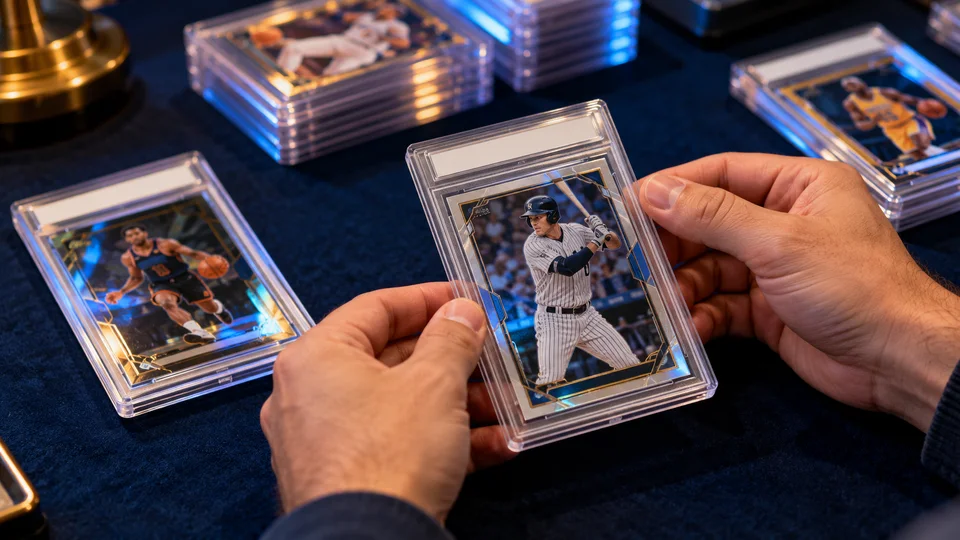
Buying and trading at a card show: a careful buyer's guide
How to buy and trade cards at a card show: set a plan, inspect condition, spot fakes, compare prices, negotiate politely and keep records of every purchase.
Read guide : Buying and trading at a card show: a careful buyer's guide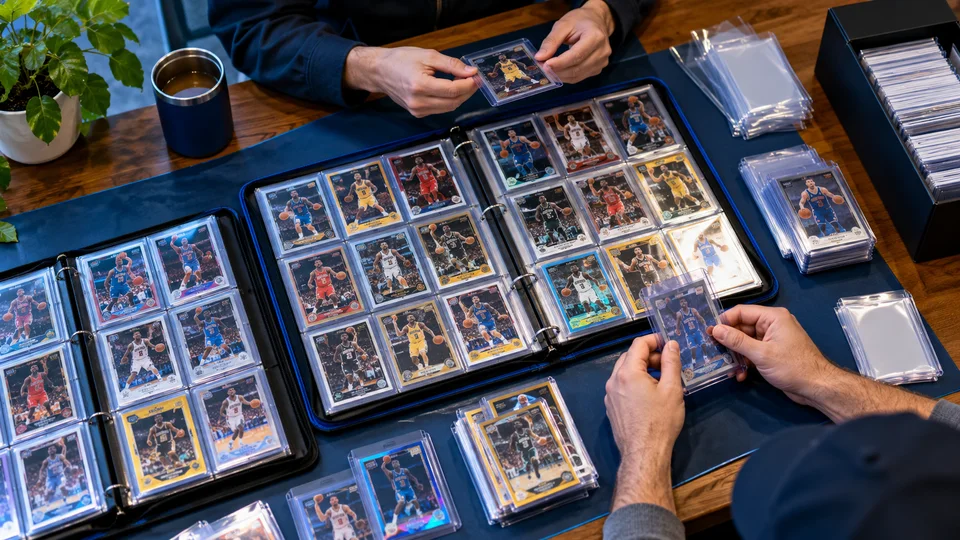
Card Show Dealers: How to Find, Evaluate and Buy From Them
Learn how to find and evaluate card show dealers, read raw vs graded cards, negotiate fair prices and follow trusted dealers to monthly shows.
Read guide : Card Show Dealers: How to Find, Evaluate and Buy From Them
Card Shows: The Complete Guide to Finding and Enjoying Them
Card shows explained: sports, TCG and mixed events, how to find upcoming shows by state and date, what to bring, early entry and etiquette.
Read guide : Card Shows: The Complete Guide to Finding and Enjoying Them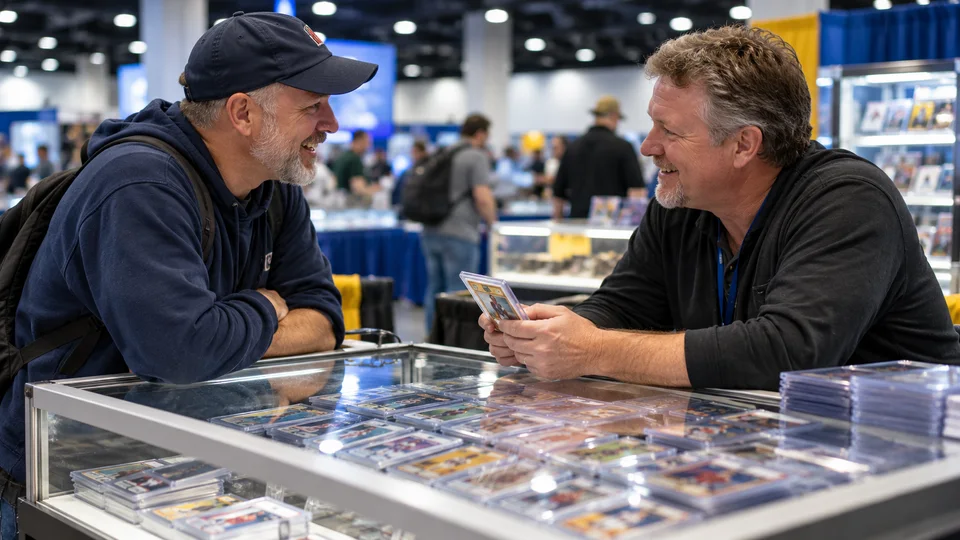
How to Become a Card Show Dealer: A Practical Starter Guide
How to become a card show dealer: start small, choose shows, set up your table, build inventory, handle payments and safety, and grow a regular circuit.
Read guide : How to Become a Card Show Dealer: A Practical Starter Guide
Pokémon and TCG Card Shows: What to Expect and How to Find Them
Pokémon card shows and TCG card shows explained: singles vs sealed, trade nights, grading, family tips, safe trading and how to find TCG events.
Read guide : Pokémon and TCG Card Shows: What to Expect and How to Find Them