
The weekend field guide
Selling at a card show: table setup and pricing without guesswork
How to sell at a card show: read the dealer terms, plan your stock, set up a clear table, price from recent sales, handle trades and payment, and pack out safely.
To sell at a card show, read the organizer's dealer terms, decide what you will bring, set up a table that lets buyers see and handle your cards safely, price from recent real sales rather than hopeful asking prices, and plan how you will take payment and protect your stock. Most problems at a table come from skipping one of those steps.
This guide is for collectors who want to sell a few cards and for newer dealers who want a calmer first table. It covers choosing a show, reading the terms, preparing stock, setup, pricing, trades, payment, security and packing out. It is general information, not tax or legal advice. Every show sets its own rules, so confirm them with the organizer before you pay.
Choose a show that matches your stock
Card shows differ. Some are mostly sports singles, some lean toward trading card games, some focus on sealed products or memorabilia, and some mix everything. Visit as a buyer first if you can, and see what is selling and at what level of quality. A show where buyers want what you have makes every other decision easier.
Use the state pages and the this weekend page to find shows near you, and use the organizer's own information to learn about size, expected attendance and how long the show has run.
Read the dealer terms before you pay
Ask the organizer, using the contact on the listing or the organizer's website, for the written dealer terms. Useful points to confirm are the size of the table, whether it is included, what you may sell, whether grading submissions or autograph sales need approval, the setup and teardown times, whether electricity or internet is available, and the refund policy if the show is cancelled.
Ask about rules for dealing in sealed product, memorabilia and reprints. Keep the organizer's reply with your records. Browse the organizer pages to see who runs shows near you.
Prepare your stock before the day
Sort cards by sport or game, then by player, set or price range, so that a buyer's question can be answered quickly. Put better cards in protective sleeves and rigid holders, and keep bulk in labeled boxes. Count and note what you bring, because it makes packing out and your records far easier.
Decide in advance what you will not sell and what you are willing to trade. Bring supplies that you will use throughout the day: sleeves, holders, a penny sleeve stock for quick sales, markers, labels, tape, a notebook and a calculator.
Set up a table that works
Arrange the table so that buyers can see your best cards from the aisle, and keep the area behind you free of clutter. Put higher-value items where you can see them and where only you can hand them over.
Display and security
Use locking cases or stands for expensive cards. Keep bulk boxes where buyers can flip through them without blocking the aisle. Use clear price labels in a consistent style. If another dealer or a friend can watch your table, take breaks in turn, and never leave a table unattended. Keep your own bag and cash out of reach of passers-by.
Price from real sales and from condition
Price using completed sales of the same card in similar condition, not asking prices and not memory. Take the condition seriously: centering, corners, edges and surface change what a card is worth, and a graded card is a different product from an ungraded one. Recent sales move, so check again close to the show.
Be consistent. Decide how you will handle a bundle, whether you offer a modest discount on larger purchases and how you will say no politely. Write prices on holders or labels so you are not setting prices from scratch under pressure. Do not state a price or market claim you cannot support.
Handle offers, trades and conversations
Expect negotiation and enjoy it. Listen first, state your price once, and answer a lower offer with a simple yes or no or a counter. For trades, agree values for both sides before cards change hands, and write down what each of you is giving. Do not feel pressure to complete a trade you are unsure about; you can say you will think about it and return later.
Be honest about condition and about anything you do not know. A buyer who trusts you returns at the next show.
Take payment, keep records and pack out
Offer more than one way to pay and test any card reader or app before the show. Bring change in small bills and a secure place to keep it. Write a simple receipt for larger sales that names the card, the condition as you described it and the price. Keep a copy.
What a seller owes in tax or permits differs by location, so ask the organizer what covers your table and keep your own records. At the end of the show, pack carefully, check your count against your notes and take a few minutes to write down what sold, what did not and what questions buyers asked. Our guide to planning your first show and to preparing to sell at a show cover the basics again in short form.
Frequently asked questions
How much stock should I bring?
Bring enough to make a table look full and to let buyers browse, but not so much that you cannot display or protect it. Notes from each show help you adjust.
Should I price every card?
It helps. Clear prices let buyers decide quickly and cut down on questions, and they keep your own pricing consistent through a busy day.
Do I need to carry insurance?
Rules and risks vary. Ask the organizer what coverage they require, and consider speaking with an insurance professional about your stock and your transport.
Can I sell graded and ungraded cards at the same table?
Usually, but confirm any rules with the organizer. Keep them clearly separated and labeled so buyers know what they are looking at.
What if a buyer disputes the condition of a card?
Stay calm, look at the card together and explain how you described it. A written receipt that names the condition makes these conversations easier.
How do I avoid being cheated on a trade?
Agree values first, check the cards closely in good light, and take your time. You can always say you want to think about it.
Put your plan into motion
Find your next show.
Use the listing's official source to confirm the latest dates, public hours and entry rules.
Find shows in this directoryKeep planning
More useful guides
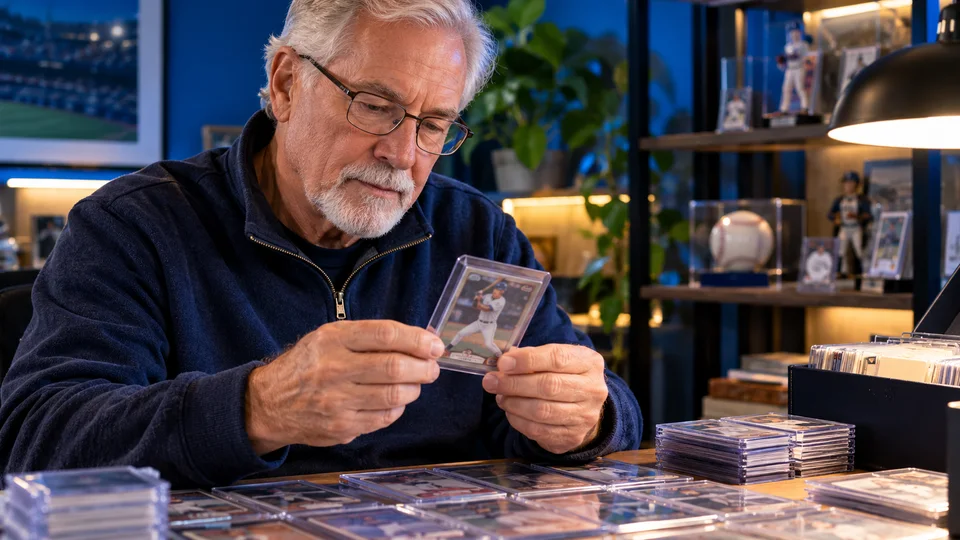
Planning your first show: a visitor checklist
Choose a show that suits your interests, confirm the practical details and keep the organizer’s information handy before you travel.
Read guide : Planning your first show: a visitor checklist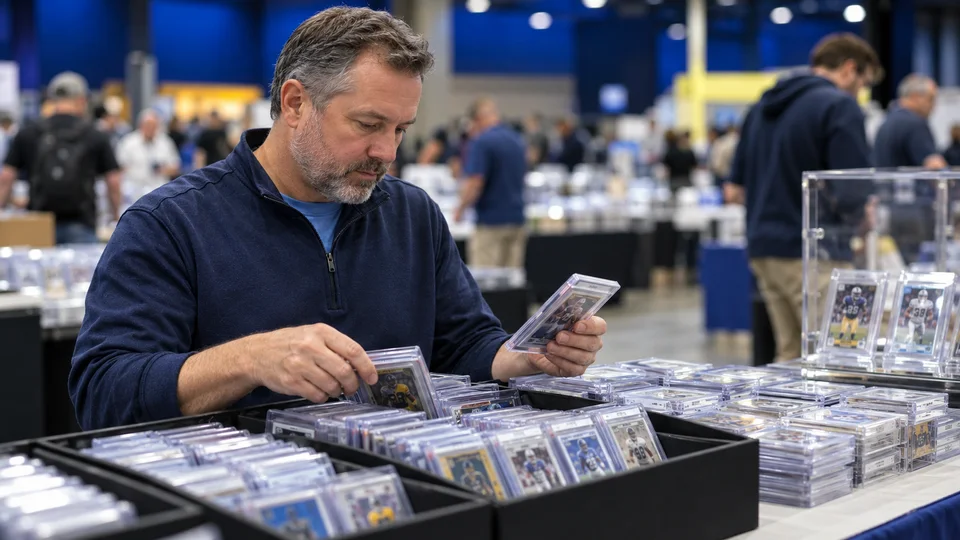
Preparing to sell at a card show: a seller checklist
Confirm your seller application, table equipment, setup time and organizer terms before booking a place at a card show.
Read guide : Preparing to sell at a card show: a seller checklist
Preparing cards for grading: what to check before you submit
Before you submit a card for grading, decide if it is worth it, check centering, corners, edges and surface, protect it, and learn the service terms and timing.
Read guide : Preparing cards for grading: what to check before you submit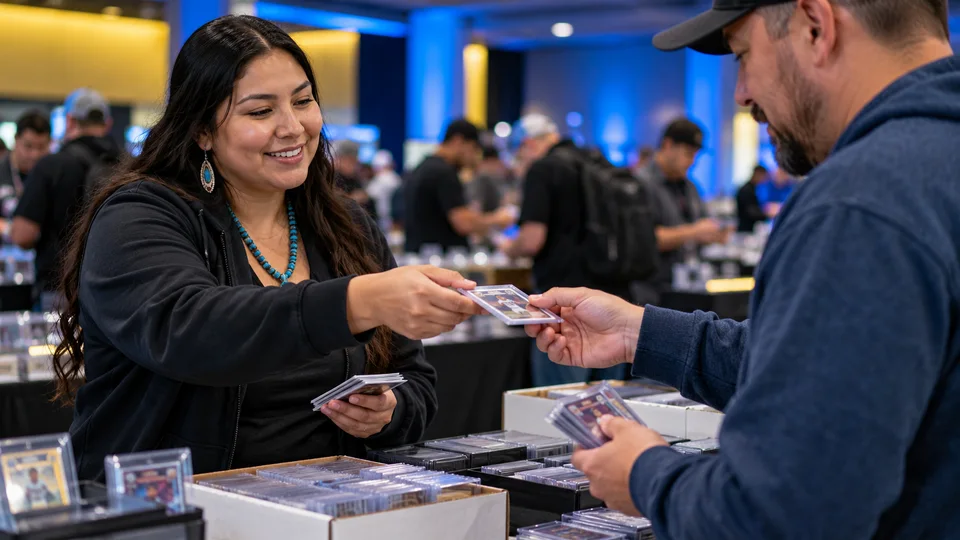
Card show autograph signings: how they work and how to prepare
How autograph signings work at a card show: ticketed and free sessions, what to bring, authentication, good etiquette and how to protect signed items afterward.
Read guide : Card show autograph signings: how they work and how to prepare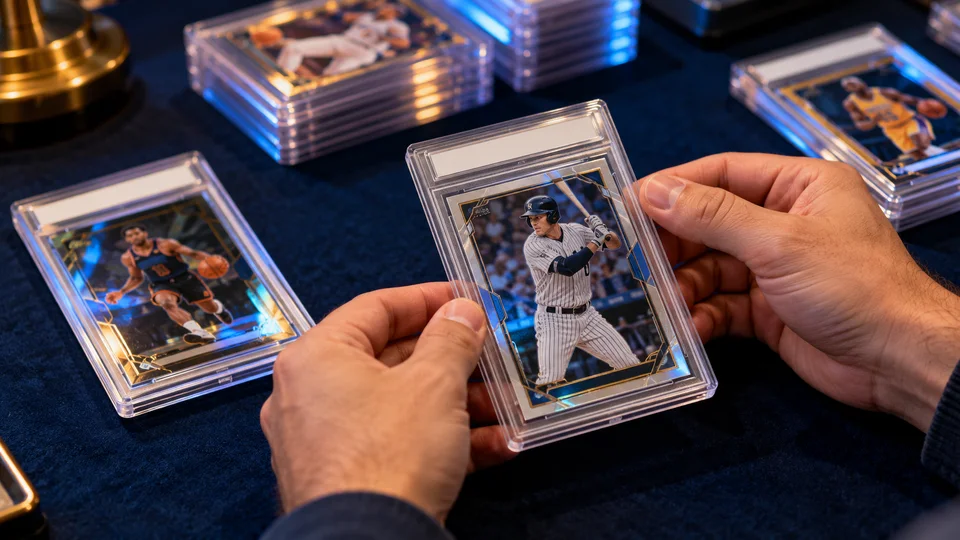
Buying and trading at a card show: a careful buyer's guide
How to buy and trade cards at a card show: set a plan, inspect condition, spot fakes, compare prices, negotiate politely and keep records of every purchase.
Read guide : Buying and trading at a card show: a careful buyer's guide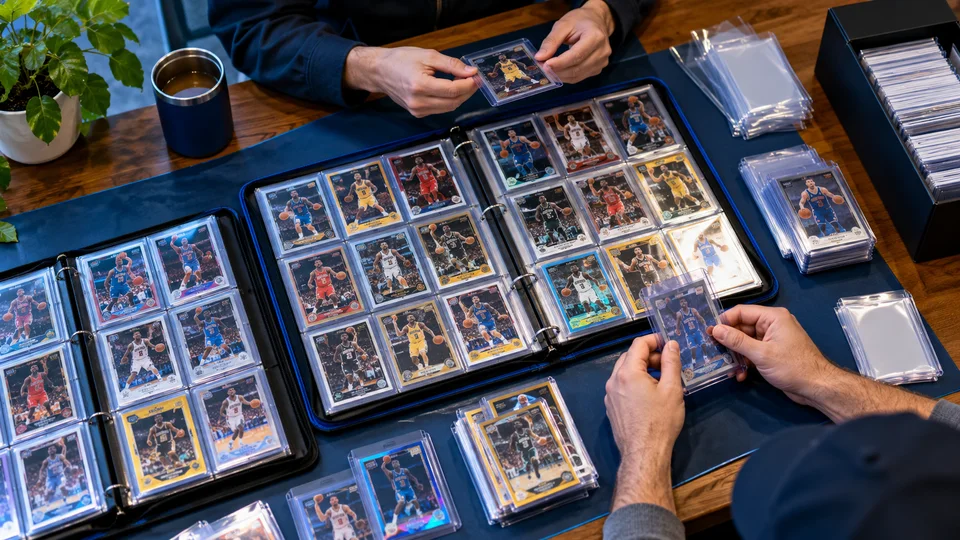
Card Show Dealers: How to Find, Evaluate and Buy From Them
Learn how to find and evaluate card show dealers, read raw vs graded cards, negotiate fair prices and follow trusted dealers to monthly shows.
Read guide : Card Show Dealers: How to Find, Evaluate and Buy From Them
Card Shows: The Complete Guide to Finding and Enjoying Them
Card shows explained: sports, TCG and mixed events, how to find upcoming shows by state and date, what to bring, early entry and etiquette.
Read guide : Card Shows: The Complete Guide to Finding and Enjoying Them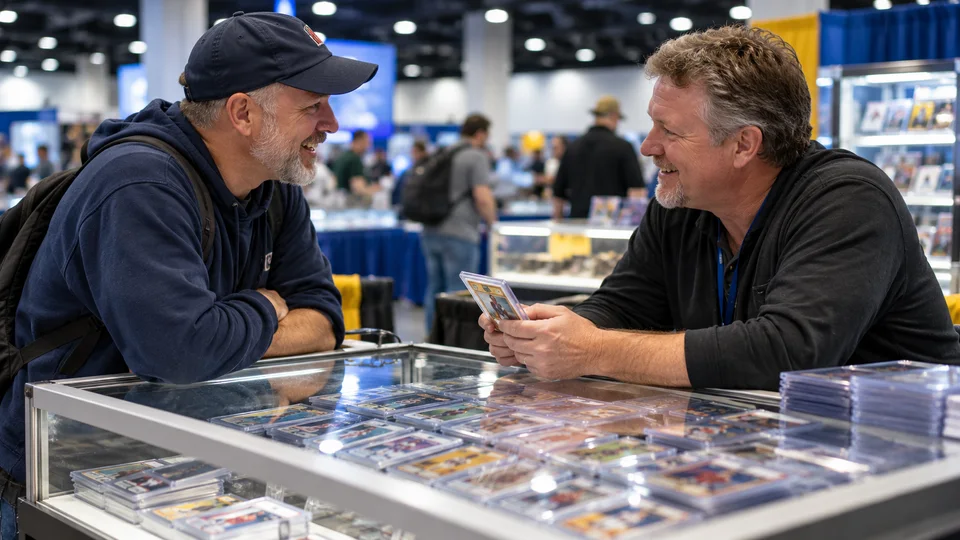
How to Become a Card Show Dealer: A Practical Starter Guide
How to become a card show dealer: start small, choose shows, set up your table, build inventory, handle payments and safety, and grow a regular circuit.
Read guide : How to Become a Card Show Dealer: A Practical Starter Guide
Pokémon and TCG Card Shows: What to Expect and How to Find Them
Pokémon card shows and TCG card shows explained: singles vs sealed, trade nights, grading, family tips, safe trading and how to find TCG events.
Read guide : Pokémon and TCG Card Shows: What to Expect and How to Find Them