
The weekend field guide
How to Become a Card Show Dealer: A Practical Starter Guide
How to become a card show dealer: start small, choose shows, set up your table, build inventory, handle payments and safety, and grow a regular circuit.
If you have ever stood at a card show and thought that you could do this, you probably can. Many of the people behind the tables started exactly where you are: a personal collection that outgrew its shelf, a few good trades, and the curiosity to see what would happen if they rented a table. To become a card show dealer, you do not need a storefront, a huge budget or decades of experience. You need inventory people want, a tidy setup, honest habits, and the patience to learn the rhythm of the show circuit one event at a time.
This guide is a practical starting point for would-be dealers. It covers how to begin small, how to choose shows, what table terms usually look like, how to set up and display your stock, how to think about inventory, how to handle licensing and payments in general terms, how to stay safe, and how to build a regular circuit. Nothing here replaces professional advice on taxes or legal matters, and the rules in your area may differ, so check with the relevant authorities. For the buyer's perspective on what makes a dealer worth returning to, read our guide to card show dealers.
Start small and treat early shows as research
The biggest beginner mistake is renting too much too soon. A large table purchase, a van full of inventory and an expensive new display can turn a hobby into a financial worry before you know whether the demand matches your plan. A better approach is to start with a single table at a show close to home, bring a focused selection, and watch what happens.
At your first event, pay attention to more than sales. Notice which customers stop at your table and what they pick up, which items they ask about but do not find, and which prices make people hesitate. Watch the other dealers: how they arrange their tables, how they greet people, how they handle negotiation. Take notes at the end of each day on what sold, what did not, how long the setup took and what you wish you had brought.
It can help to attend several shows as a customer first. Walk the room with a seller's eye. Count the table types, see who is selling what, and look for gaps in the market. If every table is selling the same big-name singles, a well-organized bulk section or a strong selection of lower-priced cards for kids may be a smarter opening. If the local scene is heavy on vintage but light on trading card games, a TCG-focused table could fill a need; our page on Pokémon and TCG card shows explains what that crowd looks for.
Also consider sharing a table with a friend or fellow collector for your first outing. Splitting the cost and the work lets you test the experience, and it gives you a second person to watch the table during breaks.
Choosing the right shows
Not every show will suit your inventory. A dealer with a case of vintage baseball cards belongs at an event where the audience hunts for that material, while a seller of trading card game singles will do better where those players gather. Look closely at the focus of each event before you rent a table.
Use the USCardShows directory to browse upcoming card shows by state and date. Read the listing for hints about the crowd: is the show described as sports, TCG or mixed? Does it mention autograph signings or on-site grading, which can draw extra traffic? Is it a monthly card show that returns on a predictable schedule? Recurring events are especially valuable for new dealers because the crowd becomes familiar, and you can build a customer base over repeated visits.
Ask organizers questions before you commit. How many tables does the venue hold? What is the typical attendance in general terms? Is there a mix of sports and TCG dealers? Are tables assigned or first-come? How much does a table cost, and what does the price include? Organizers are usually happy to explain, because a happy dealer is a returning dealer. Contact information for shows is usually on the listing or on the organizer's own materials.
Think about logistics, too. Travel time, parking, load-in access and the cost of gas or lodging all affect whether a show makes sense. A smaller local event with modest table costs and low travel expense may be more profitable than a larger one that requires an overnight stay. As you gain experience, you will learn which shows are worth the drive.
Table terms and what to expect
Every organizer sets their own terms, so read them closely. Common items include the table rate, the length of the event, the load-in and load-out times, whether electricity is available, whether you can leave inventory overnight, and what the organizer expects regarding sales tax and licensing. Some shows ask you to sign a vendor agreement or provide basic information about your business.
Pay attention to the policies on what you can sell. Some shows restrict particular categories to keep the event focused, and organizers may have rules about items that could raise legal or safety issues. If you want to bring signed items, sealed product or anything unusual, check in advance. It is better to ask than to arrive and find out you cannot set up part of your stock.
Ask about cancellations. If you need to withdraw, what is the deadline, and is the table fee refundable? If the organizer cancels the event for any reason, what happens to your payment? Having these answers in writing, even in an email, saves you from surprises.
Finally, understand the load-in schedule. Dealers often arrive before the doors open to set up, and a smooth load-in depends on being organized. Plan to arrive early enough that you are not rushing, and be considerate of the dealers around you as everyone unloads.
Setting up your table
A good table is clear, clean and inviting. Customers decide within seconds whether to stop, so make the first impression count.
Start with the basics. A sturdy table covering gives your setup a finished look and protects your stock. Use risers or stands to raise your best items so they can be seen from a distance, and place the most attractive material at eye level. Keep your pricing readable: use consistent labels or stickers, and make sure they are legible from a short distance. A sign with your name or business name helps customers remember you and find you again at the next show.
Think about traffic flow. Customers should be able to approach, browse and step away without blocking the aisle. Place your busiest items, such as a bulk box, toward the front where people can reach them, and keep your valuable singles within your line of sight. Leave a clear space where you can write receipts and handle payments.
Keep your table fresh over the course of the day. As items sell, rearrange to fill gaps. Bring extra supplies for sleeves, top loaders, bags and boxes so you can protect what you sell. Have a notepad or phone ready for want lists; a customer who tells you what they are looking for is giving you a reason to bring it next time.
Building an inventory strategy
Inventory is where a new dealer wins or loses. The best strategy is to know your customers and to stock what they actually want.
Begin with what you know. If you are an expert in a particular sport, era or game, lean into it. Specialization builds credibility, and customers who trust your knowledge will return. Over time you can broaden your range as you identify demand.
Aim for a balanced mix of price points. A table with only expensive items can feel intimidating and may sell slowly, while a table with only bargain material may not generate enough revenue to cover the cost of attending. A blend of bulk, mid-range singles and a few premium pieces gives every type of shopper something to buy. Kids and newcomers appreciate affordable choices, and experienced collectors appreciate depth.
Source inventory carefully. Buy collections, trade with other collectors, and pick up material at shows, but be disciplined about what you pay. A purchase is only a good one if you can resell it at a profit after covering your costs. Learn to evaluate condition honestly, and be wary of items that seem too good to be true. If you are unsure about authenticity, especially with signed items or high-value raw cards, either avoid them or buy from sources you trust.
Keep your stock organized so you can find things quickly. Sorting by player, team, set, character or category makes it easy for customers to browse and for you to answer questions. Track what you bring and what you sell. Over a handful of shows, you will see patterns that tell you what to restock and what to leave at home.
Pricing deserves careful thought. Research recent sale prices rather than relying on asking prices, and price your items so that you can offer reasonable flexibility. Mark prices clearly, and be consistent. Customers notice when a table's prices are fair and well organized, and they tend to return.
Displays, protection and presentation
How you display your cards affects both sales and the condition of your stock. Use protective holders appropriate to the item: penny sleeves and top loaders for many singles, semi-rigid holders for items you plan to submit for grading, and secure cases for your best pieces. If you handle sealed product, keep it clean and flat, and store it away from heat and moisture.
Binders are excellent for organizing sets and for letting customers browse safely. Choose quality pages that hold cards securely and that do not damage surfaces. Label each binder clearly so people know what is inside. For bulk, sturdy boxes with dividers work well, and a simple sign indicating the price helps customers dive in.
Consider lighting. Many venues are dim, and a small portable light can help customers see the surface and details of your cards. Be careful with heat; some lights can warm up and affect certain items. Keep an eye on glare as well, since highly reflective cases can make it hard for customers to see what they are buying.
Finally, think about presentation as part of your brand. A neat, consistent look tells customers you care about your stock, and it sets you apart from tables that feel disorganized. You do not need expensive fixtures, only thoughtful arrangement and clean materials.
Sales tax, licensing and paperwork
Selling at card shows is a business activity, and many places have rules about how that business should be registered and taxed. The specifics depend on where you live and where you sell, so this section is general information only, not legal or tax advice.
In many areas, sellers must hold some form of sales tax registration or permit, and they may need to collect and remit tax on sales. Some shows ask vendors to show proof of registration before they can set up. Requirements can differ between states and even between localities, and they may change over time. Before you sell, contact the appropriate state or local tax authority and ask what applies to you. A qualified accountant or tax professional can also help you understand your obligations and set up your records.
Keep good records from day one. Note what you bought, what you paid, what you sold and for how much, along with the date and show. Keep receipts for supplies, table fees, mileage and other business costs. Clean records make it easier to know whether you are actually making money, and they make it simpler to work with a professional at tax time. Consider keeping business and personal funds separate once you begin selling regularly.
Insurance is another consideration. Think about whether your stock is protected during transport, at the show and in storage, and ask an insurance professional about options that fit your situation. Some venues also have their own requirements for vendors, so ask the organizer what is expected.
Payments and receipts
Customers want convenient ways to pay, and offering several options can increase sales. Cash is still common at shows, so bring a cash box with a good supply of small bills and loose change. Many dealers also accept electronic payments through a mobile card reader or payment app. Confirm that your reader works in the venue, since connectivity can be unreliable in large buildings. Having a backup plan, such as a second device or an offline method, can save a sale.
Be transparent about what you accept. A small sign listing accepted forms of payment prevents awkward moments. If you charge any fee for particular payment types, state it clearly before the sale rather than after.
Write receipts for significant sales. A simple receipt with the date, item description, price, buyer and seller helps protect both parties. If you offer a return window or any guarantee, put it in writing. Honest, clear documentation builds trust, and trust is what brings customers back to your table.
Handle money safely. Keep your cash box out of sight, remove excess cash during the day, and avoid counting large amounts in public. Our guide to selling at a card show covers pricing and customer handling in more detail.
Safety and security
A card show is a friendly environment, but you are carrying valuable stock, so basic security is wise.
Never leave your table unattended. If you need a break, ask a neighboring dealer to watch your table, or bring a partner. Keep your most valuable items in locked cases or out of reach, and watch for anyone who handles multiple items in a way that seems like a distraction tactic. Keep your inventory count in mind so you notice if something goes missing.
Be careful during load-in and load-out. These are the moments when stock is most exposed and when you are most distracted. Move your valuables in secure containers, avoid leaving items in a vehicle in plain sight, and consider moving your vehicle to a well-lit, secure spot. Do not announce to strangers how much stock you carry.
Think about personal safety, too. Ask the organizer about security arrangements, and be aware of your surroundings when you leave the venue, especially if you are carrying cash or valuable items. Traveling with a partner can reduce risk. Keep your phone charged and your emergency contacts handy.
When dealing with customers, trust your instincts. If a trade or sale feels rushed or suspicious, slow down or decline. Be wary of unusual payment requests and always confirm that funds are real before releasing high-value items.
Building a regular circuit
Success as a dealer rarely comes from a single show. It comes from showing up reliably at the right events and building a following.
After your first few shows, review your notes. Which events produced good sales and good conversations? Which felt like a poor fit? Drop the ones that do not work and add shows that match your strengths. Over time you will develop a circuit of events you attend regularly, with a mix of local monthly card shows and a few larger regional events.
Be consistent. Customers remember dealers who appear at the same show month after month, and they begin to plan their visits around you. Consider telling your regular customers which shows you will attend next and what you plan to bring. Collect contact information with permission so you can follow up with people who give you a want list.
Develop your reputation. Honest descriptions, fair prices and reliable follow-through matter more than any single sale. Treat other dealers as colleagues; the hobby is smaller than it seems, and many dealers refer customers to each other. Our complete guide to card shows explains how collectors think about planning their days, which can help you see your table through their eyes.
Being listed and found
Collectors discover shows and dealers through directories, social channels and word of mouth. If you are a dealer, make it easy for them to find you.
Ask the organizers of the shows you attend to include your details in their dealer information when appropriate. Keep your information consistent across the places where you appear: your business name, the type of material you sell and the shows you attend. A clear, short description of your specialty, such as vintage football or TCG singles, helps customers decide whether to look for you.
The USCardShows directory lists upcoming shows by state and date, and its dealer directory is the site's system for looking up dealers and planning which shows to visit. Check how dealers appear there and confirm the details are accurate. If you attend events regularly, make sure organizers know to list you where appropriate, so collectors planning a trip can see who they might meet.
Ready to rent your first table
The path from collector to dealer is gradual. Start with one table, learn from each event and build your circuit show by show. When you are ready to plan your first outing, browse upcoming shows in the USCardShows directory to find an event that fits your inventory, and use the dealer directory to see how other sellers present themselves.
Frequently asked questions
How much money do I need to start as a card show dealer?
It depends on your inventory, the table fee and your travel costs. A modest start with a small collection, one table and basic supplies is possible without a large investment. Treat early shows as a test and avoid overspending on stock or fixtures before you know your market.
Do I need a license to sell at card shows?
Many areas require some form of sales tax registration or permit for sellers, and shows may ask to see it. Requirements vary by location, so contact your state or local tax authority and consider speaking with a qualified accountant. This guide is general information, not tax or legal advice.
How do I pick the right show for my first table?
Choose a nearby show that matches your inventory and audience, preferably a monthly card show that repeats. Check the listing for the focus, read the organizer's terms and ask questions before you pay. A smaller local event is usually a good place to start.
What should I bring to my first show?
Bring your inventory, table covering, displays, price labels, protective supplies, a cash box with change, a way to accept electronic payments and a notepad for want lists. Also bring water, snacks and a plan for breaks. A helper makes the day easier.
How should I price my cards?
Research recent sale prices, judge condition honestly and price consistently. Leave modest room for negotiation, and mark prices clearly. Adjust over time as you learn what your customers will pay.
How do I keep my stock safe at a show?
Never leave your table unattended, keep valuable items in locked cases, and be careful during load-in and load-out. Ask the organizer about venue security. Trust your instincts and decline any deal that feels wrong.
Can I trade as a dealer?
Yes, many dealers trade, and it can be a good way to acquire inventory. Know your values, be clear about terms and agree on every item before the trade is complete. Remember that your goal is to resell at a profit.
How do I grow beyond one or two shows?
Review your results, drop events that do not fit and add ones that do. Be consistent, build relationships with customers and fellow dealers, and keep your information current in the places where collectors look.
Put your plan into motion
Find your next show.
Use the listing's official source to confirm the latest dates, public hours and entry rules.
Find shows in this directoryKeep planning
More useful guides
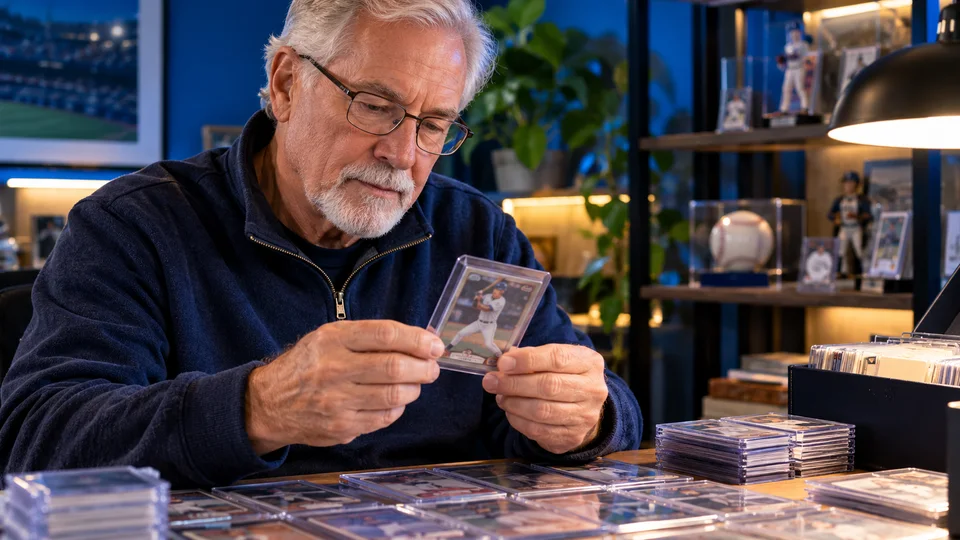
Planning your first show: a visitor checklist
Choose a show that suits your interests, confirm the practical details and keep the organizer’s information handy before you travel.
Read guide : Planning your first show: a visitor checklist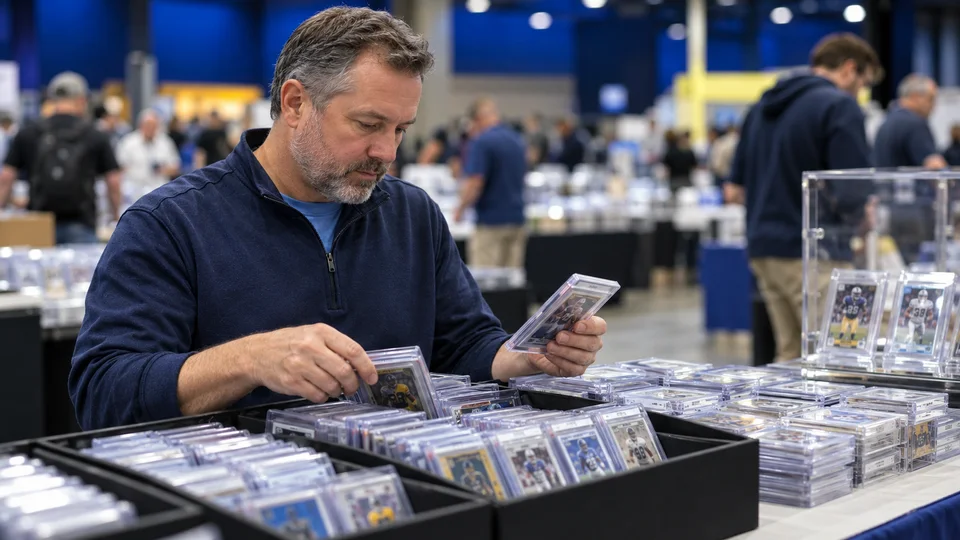
Preparing to sell at a card show: a seller checklist
Confirm your seller application, table equipment, setup time and organizer terms before booking a place at a card show.
Read guide : Preparing to sell at a card show: a seller checklist
Selling at a card show: table setup and pricing without guesswork
How to sell at a card show: read the dealer terms, plan your stock, set up a clear table, price from recent sales, handle trades and payment, and pack out safely.
Read guide : Selling at a card show: table setup and pricing without guesswork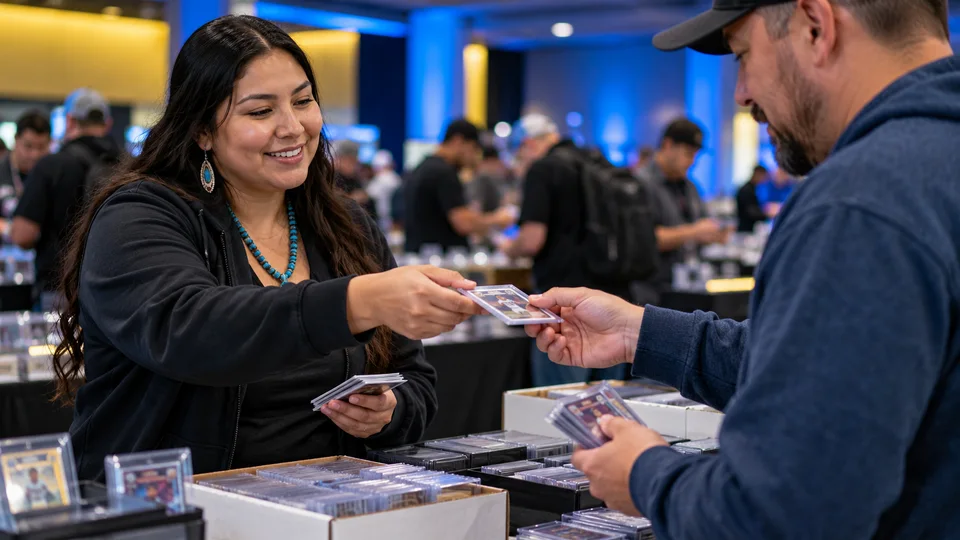
Preparing cards for grading: what to check before you submit
Before you submit a card for grading, decide if it is worth it, check centering, corners, edges and surface, protect it, and learn the service terms and timing.
Read guide : Preparing cards for grading: what to check before you submit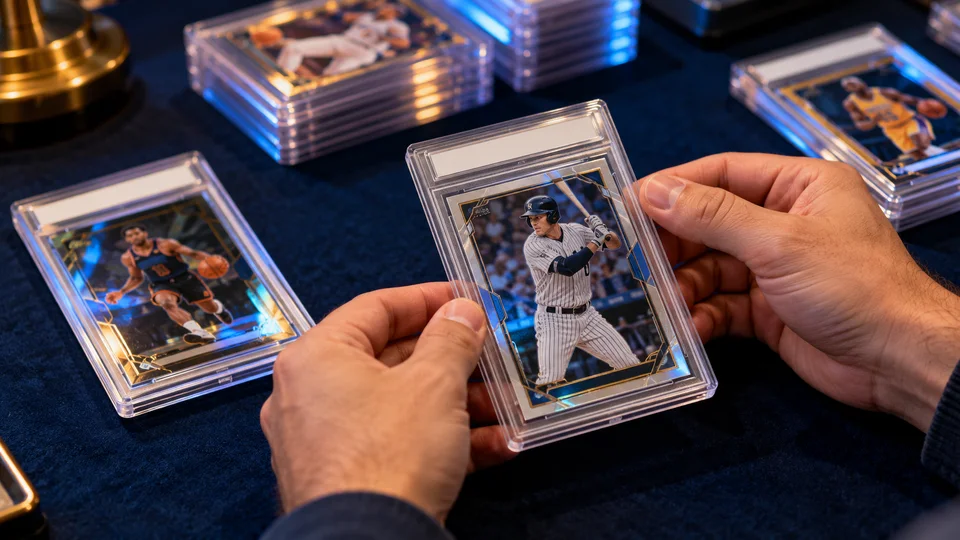
Card show autograph signings: how they work and how to prepare
How autograph signings work at a card show: ticketed and free sessions, what to bring, authentication, good etiquette and how to protect signed items afterward.
Read guide : Card show autograph signings: how they work and how to prepare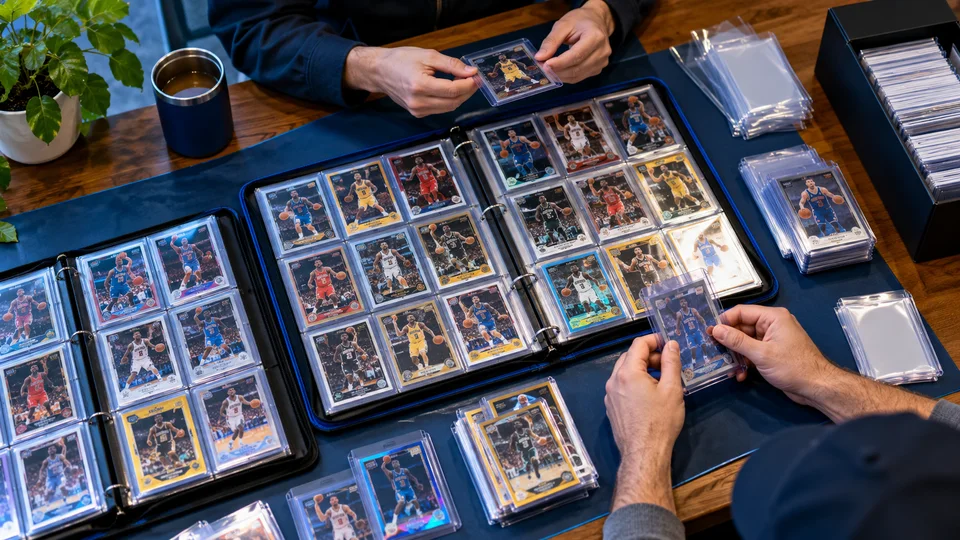
Buying and trading at a card show: a careful buyer's guide
How to buy and trade cards at a card show: set a plan, inspect condition, spot fakes, compare prices, negotiate politely and keep records of every purchase.
Read guide : Buying and trading at a card show: a careful buyer's guide
Card Show Dealers: How to Find, Evaluate and Buy From Them
Learn how to find and evaluate card show dealers, read raw vs graded cards, negotiate fair prices and follow trusted dealers to monthly shows.
Read guide : Card Show Dealers: How to Find, Evaluate and Buy From Them
Card Shows: The Complete Guide to Finding and Enjoying Them
Card shows explained: sports, TCG and mixed events, how to find upcoming shows by state and date, what to bring, early entry and etiquette.
Read guide : Card Shows: The Complete Guide to Finding and Enjoying Them
Pokémon and TCG Card Shows: What to Expect and How to Find Them
Pokémon card shows and TCG card shows explained: singles vs sealed, trade nights, grading, family tips, safe trading and how to find TCG events.
Read guide : Pokémon and TCG Card Shows: What to Expect and How to Find Them