
The weekend field guide
Card Show Dealers: How to Find, Evaluate and Buy From Them
Learn how to find and evaluate card show dealers, read raw vs graded cards, negotiate fair prices and follow trusted dealers to monthly shows.
Card show dealers are the independent sellers who rent tables at card shows and sell, buy and trade cards and collectibles directly to collectors. Every dealer runs a small business with its own taste, its own sources and its own way of pricing, which is why two tables ten feet apart can feel like completely different stores. Learning how to read those tables, how to ask the right questions and how to build a relationship with the dealers you like is the single most useful skill you can develop as a buyer.
This guide is written for the buyer's side of the table. It covers how to find card show dealers worth your time, what the different kinds of tables are, how to judge raw and graded cards, how to arrive at a fair price, how to protect yourself on authenticity and condition, and how to keep track of the sellers you trust. If you are thinking about getting behind a table yourself, our guide on how to become a card show dealer looks at the same world from the other side.
How card show dealers work
A dealer is not a shop with fixed rent and a regular storefront. A dealer packs inventory into cases, boxes and binders, loads it into a vehicle, travels to a venue, sets up a table or several, and sells for a day or a weekend. Many dealers have a day job or run an online business alongside their show circuit, and some do shows full time. Because setting up costs time and money, dealers tend to focus on the shows where their kind of customer turns up.
That matters to you as a buyer because it explains why inventory varies so much between events. A dealer who specializes in vintage baseball will bring their best material to a show with a strong sports crowd, and might leave it at home for a show where the audience is mostly younger TCG players. Likewise, a trading card game specialist will bring their deepest binders to a show with a lively play area. Matching the show to the dealer type is half the battle.
Dealers also differ in how they price. Some price every item and mark it clearly, which makes browsing easy and negotiation modest. Others price from memory and quote on the spot, which can lead to bargains but also requires you to know what you are looking at. Neither approach is wrong. What matters is that you understand the habits of the dealer in front of you and adjust your own approach.
Finding card show dealers you can trust
The best signal of a trustworthy dealer is consistency. A dealer who has shown up at the same monthly card show for a long time has a reputation to protect, and regular customers are the best advertising a dealer can have. Ask other collectors in line who they buy from and why. In most local scenes, three or four names come up again and again.
If you are new to shows in general, our complete guide to card shows is a good companion to this page. Use the show listing to plan your attention. Before you go, open the upcoming card shows in your state on the USCardShows directory and look at what each event emphasizes. A show with a heavy sports focus is where you will find dealers who stock baseball, basketball, football, hockey and soccer cards in depth, while an event with a TCG focus will have more singles and sealed product from card games. The dealer directory at card show dealers is the place to look up dealers and plan which shows to visit; treat it as a way to line up who you want to see rather than a guarantee of who will be at any given event, and confirm with the organizer if a particular table matters to your trip.
On the day, trust your observations. A good dealer keeps a tidy table, answers questions without irritation, lets you handle items with care, and is comfortable saying "I don't know" when they are unsure. Someone who pressures you, refuses to let you look closely at a card, or becomes defensive when you ask about condition is giving you information too.
Finally, watch how dealers treat other customers, especially kids and newcomers. A table where the seller is patient with a nervous first-timer is usually a table worth returning to.
Understanding table types
Not every table is trying to do the same job. Recognizing the main types helps you decide where to spend your time.
Case tables
Case tables display their best material in locked glass or acrylic cases. This is where you will find premium singles, graded cards, game-used memorabilia and higher-value items. Dealers will usually unlock the case and let you examine a card at the table. These tables reward patience: if you see something you like, ask to see it, look at it in good light, and ask about its history. A serious dealer expects questions.
Binder tables
Binder tables organize inventory in binders by player, team, set or character. They are excellent for set builders and for collectors who know exactly what they want, because you can flip through pages and spot what is missing from your collection. Handle binder pages gently, keep your fingers away from the card surfaces, and put the binder back the way you found it.
Dime box and bulk tables
Bulk boxes, sometimes called dime boxes, dollar boxes or common boxes, hold large quantities of inexpensive cards sorted loosely by sport, team or set. These are the heart of the hobby for many people. You can dig for a favorite player, fill gaps in a set, or hunt for oddball finds, and the cost per card is low enough that kids can shop without much risk. Take your time, keep the box organized, and put cards back in order.
Sealed product tables
Some dealers focus on sealed boxes, packs, and similar product, especially at TCG-heavy shows. These tables are about opening, collecting or reselling product that has not been touched. Look for factory packaging that appears intact, ask how the dealer stores their stock, and be cautious about any sealed item that looks resealed, wrinkled or otherwise altered. Our page on Pokémon and TCG card shows goes further into sealed product and singles.
Memorabilia and mixed tables
Memorabilia tables hold signed items, game-used pieces, programs, tickets, pins and display pieces. Mixed tables combine several categories, including comics-adjacent collectibles and non-sport cards. These tables can be the most fun to browse, but they require the most caution on authenticity, which we cover below.
Reading raw and graded cards
You will meet two broad categories of single card at almost every show: raw and graded.
A raw card is simply a card that has not been submitted to a third-party grading service. It may be in a penny sleeve, a top loader or a magnetic case. The dealer's description of condition is an opinion, so your own inspection matters. Look at the corners for wear or softening, the edges for chipping, the surface for scratches, print lines or dents, and the centering of the image within the borders. Tilt the card under good light so you can see gloss, indentations and any marks that disappear at a flat angle. If a card is in a sealed holder that you cannot open, ask the dealer whether you can look closely through the holder and whether they will remove it if you decide to buy.
A graded card has been authenticated and assigned a condition score by a third-party grading service, then sealed in a tamper-evident case. Grading takes some of the guesswork out of condition, and it can make a card easier to price and resell. It does not eliminate the need to look. Inspect the case for cracks, look for any sign of tampering, check that the label details match the card inside, and make sure the printing on the label is clean and consistent. Price differences between raw and graded versions of the same card can be substantial, and a graded card does not automatically deserve a premium if the grade does not match the visible condition.
If you are curious about the grading process itself, our guide to preparing cards for grading explains how collectors get cards ready for submission. Some shows also offer on-site grading drop-off, which you can find using the Card Shows With Grading facet in the directory.
Fair prices and negotiation
Most card show dealers expect some negotiation, and most would rather make a fair sale than watch you walk away. The goal is a price that feels fair to both sides.
Do your homework before you go. Review recent sale prices for the cards on your list from reputable sources, keeping in mind that asking prices and actual sale prices are not the same thing. Understand that condition drives value heavily; a card in poor shape and a card in excellent shape of the same player and set are different items. Compare prices across several tables at the show to build a sense of the range.
When you find something you want, start by asking a simple, polite question: "Is there any flexibility on this?" or "What's your best price?" This opens the conversation without offending anyone. If the dealer names a number, you can respond with a reasonable counter. Offering a price far below what is realistic can end the discussion before it starts, and it can make the dealer less willing to deal with you later in the day.
Bundling is a classic way to get a better price. If you have several cards from one dealer, ask for a package price. Dealers often prefer moving several items at once. Paying in cash can also help, since it avoids processing costs, though you should not assume a discount without asking.
Know when to walk. If a dealer will not move on a price and you think it is too high, thank them and keep browsing. You can always return later. Often a price drops by the end of the day, especially on Sunday, but it is also possible the item will sell, so decide how much the card matters to you.
Finally, do not ask for a discount on already fair prices at very small items. A dealer selling inexpensive cards in bulk is working on thin margins, and haggling a little change off a tiny sale is rarely worth anyone's time.
Want lists and how dealers use them
A want list is the most underused tool in the hobby. It tells dealers what you are looking for, which means they can point you to the right box, remember your request, or watch for it while they are sourcing new inventory.
Keep your list specific. Note the player or character, set or year, card number or variation, and the condition you will accept. Add a rough maximum price if that helps you stay disciplined. Share it at the start of a conversation: "I'm looking for these cards, do you have any?" A dealer who is serious about customer service may take a copy, write down your contact information, or tell you what they will have at the next show.
Over time, a good want list builds relationships. A dealer who knows what you collect becomes a scout, and some will set aside items or message you before a show when something arrives. That kind of loyalty is more valuable than any single discount.
Checking authenticity and condition
Counterfeits and altered items exist in the hobby, and a careful buyer learns to spot warning signs. This is not meant to scare you, because most dealers are honest, but it pays to be thoughtful.
For cards, compare the item with known examples if you can. Look at print quality, color, text sharpness and card stock. Be wary of anything that looks too crisp, too glossy or slightly off in size or feel. Altered cards, where corners have been trimmed or surfaces cleaned or recolored, can be difficult to detect, so be especially careful with high-value raw cards from a seller you do not know.
For signed memorabilia, ask about provenance. Reputable sellers can explain where an item came from, whether it was signed at a public event, and whether it carries authentication from a recognized third party. If the answers are vague or the seller changes the story, think twice. Our guide to card show autograph signings explains what to look for with autographs obtained at an event, and how to protect them.
Ask about return and inspection policies before you pay. Some dealers offer a short return window, especially on higher-value items, and some do not. Get any promise in writing on a receipt, particularly if you are buying something expensive. Simple language such as the item description, price, date and dealer name is enough. If you are unsure about an item, it is entirely reasonable to say you want to think about it and come back, or to ask whether the dealer would be willing to wait until you can verify it.
Trading with dealers
Many dealers will trade, and a trade can be a way to turn cards you no longer want into cards you do. Treat it as a negotiation with two sides.
Bring your trade material organized and protected. Know the approximate value of what you are offering and what you want in return. Expect the dealer to value your items at a wholesale level, because they need to resell them, and expect to value theirs at something closer to retail. A trade can still be fair even when the numbers are not identical, provided both people understand the difference.
Be clear and patient. Agree on each item and on any cash adjustment before you hand anything over. If you feel rushed or confused, say so. A reputable dealer will not mind slowing down. For more detail on trading etiquette and tactics, see our guide to buying and trading at a card show.
Payment, shipping and receipts
Ask each dealer what forms of payment they accept before you agree to a price. Many take cash and some accept electronic methods, but policies differ from table to table. Having more than one way to pay makes life easier.
If you buy something large, fragile or too inconvenient to carry, ask whether the dealer can ship it. Some will, and some prefer not to. If a dealer agrees, discuss packaging, tracking and insurance in advance, and make sure the arrangement is written down. Never assume shipping will be handled a certain way; confirm it.
For meaningful purchases, ask for a receipt. A receipt is not just paperwork; it is a record you can refer to if there is ever a question about what you bought, from whom and when. Take a photo of the item and the receipt together. Keep your purchase records organized, especially for collectibles that may increase in value.
Following dealers and recurring shows
The relationships you build with dealers are what turn show-going from a casual outing into a rewarding habit. A monthly card show with a stable roster of dealers is the best place to start, because you can see the same inventory evolve over time and learn who is reliable.
Use the dealer directory to look up dealers and plan which shows to visit. Pay attention to which events fit your interests, and make a note of the dealers you want to find again. Once you recognize a dealer you like, introduce yourself, share your want list, and ask which upcoming shows they plan to attend. Many dealers are happy to tell you where they will be next, and some will bring specific items by request.
Also keep your eye on the schedule. Looking through upcoming card shows in your state helps you decide whether a trip is worth the drive. A show with several dealers who match your interests may be worth more of your time than one with a bigger crowd but a different focus.
Finally, give feedback. If a dealer treated you well, tell other collectors. If you had a problem, address it politely with the dealer first; most will try to make it right. A healthy scene depends on honest dealing in both directions.
Start with the dealers you will meet next
A good dealer relationship takes time, curiosity and honest dealing on both sides. Spend your first few visits learning how tables are organized, comparing condition and price, and noting the sellers who treat you well. When you are ready to plan your next outing, browse upcoming shows at the USCardShows directory and use the card show dealers directory to decide which events are worth your weekend.
Frequently asked questions
How do I find good card show dealers?
Ask regular attendees which tables they trust, and look for dealers who show up consistently at the same monthly shows. Use the directory to plan which shows to attend and to look up dealers. Pay attention to how they treat customers and how openly they discuss condition.
Are card show prices negotiable?
Usually, yes. Most dealers expect polite offers, particularly on higher-priced cards and on bundles. Do your research first, ask whether there is flexibility, and be willing to walk away if the price does not work.
What is the difference between raw and graded cards?
A raw card has not been submitted to a third-party grading service, so its condition is your judgment and the dealer's description. A graded card has been authenticated and scored by a grading service and sealed in a protective case. Inspect both carefully.
How can I tell if a card or autograph is authentic?
Compare print quality, stock and details to known examples, and be cautious about items that look off. For signed items, ask about provenance and any third-party authentication. If you are unsure, take your time or pass.
Can I return something I bought at a card show?
It depends on the dealer. Some offer short return windows, especially on expensive items, while others do not. Ask before you buy and get any agreement written on your receipt.
Should I pay with cash or another method?
Bring both if possible. Cash is widely accepted and can help in negotiation, but many dealers also take electronic payments. Confirm the method before you agree to a purchase.
Do dealers buy cards too?
Many do. Dealers often look at collections and make offers, though they pay less than retail because they need room to resell. If you want to sell, shop your items to several dealers and compare offers.
How do I follow a dealer to the next show?
Introduce yourself, share your want list and ask where they plan to be. Then check the upcoming card shows in the directory to plan your visit, and confirm the details with the organizer.
Put your plan into motion
Find your next show.
Use the listing's official source to confirm the latest dates, public hours and entry rules.
Find shows in this directoryKeep planning
More useful guides
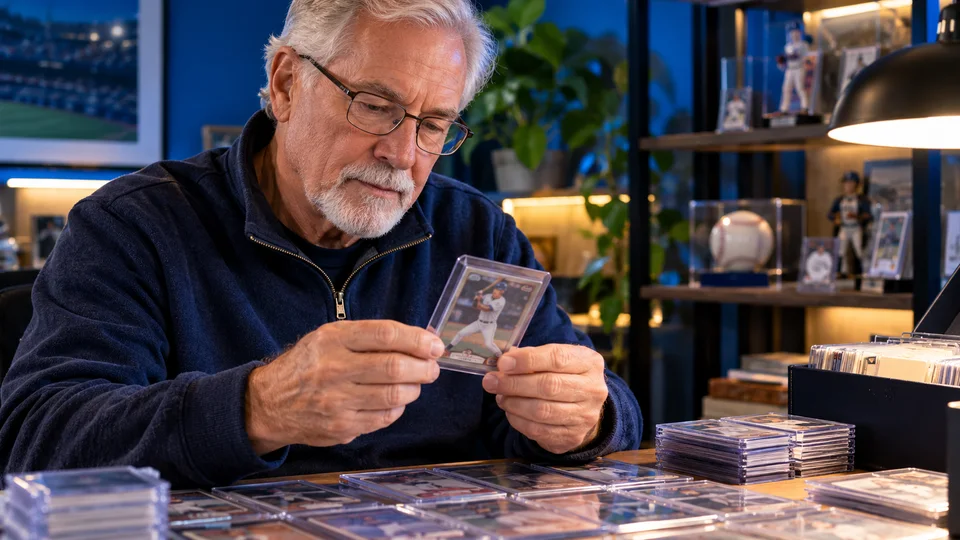
Planning your first show: a visitor checklist
Choose a show that suits your interests, confirm the practical details and keep the organizer’s information handy before you travel.
Read guide : Planning your first show: a visitor checklist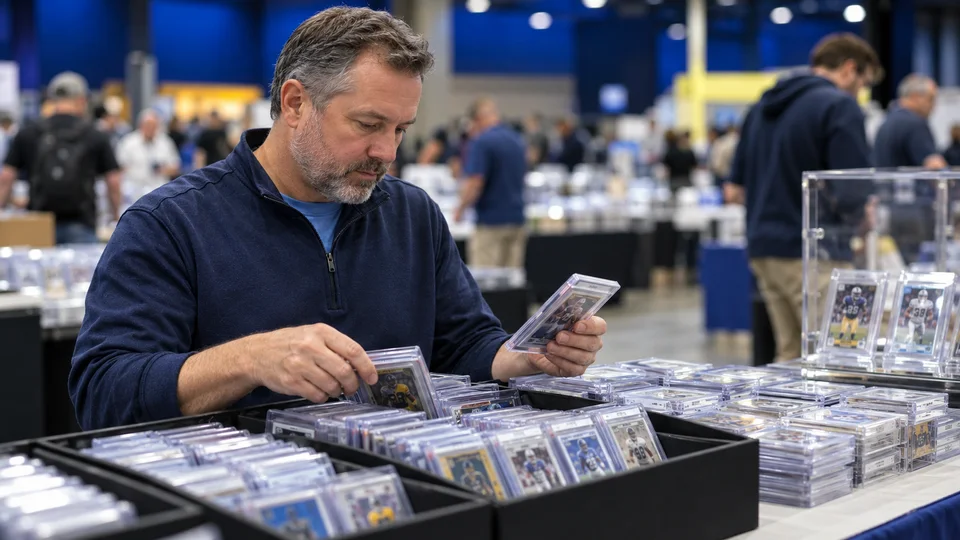
Preparing to sell at a card show: a seller checklist
Confirm your seller application, table equipment, setup time and organizer terms before booking a place at a card show.
Read guide : Preparing to sell at a card show: a seller checklist
Selling at a card show: table setup and pricing without guesswork
How to sell at a card show: read the dealer terms, plan your stock, set up a clear table, price from recent sales, handle trades and payment, and pack out safely.
Read guide : Selling at a card show: table setup and pricing without guesswork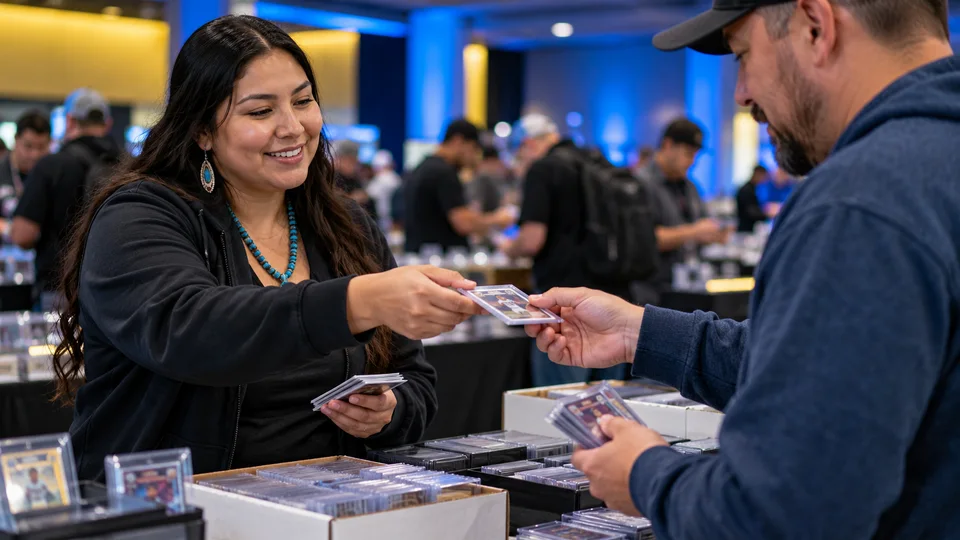
Preparing cards for grading: what to check before you submit
Before you submit a card for grading, decide if it is worth it, check centering, corners, edges and surface, protect it, and learn the service terms and timing.
Read guide : Preparing cards for grading: what to check before you submit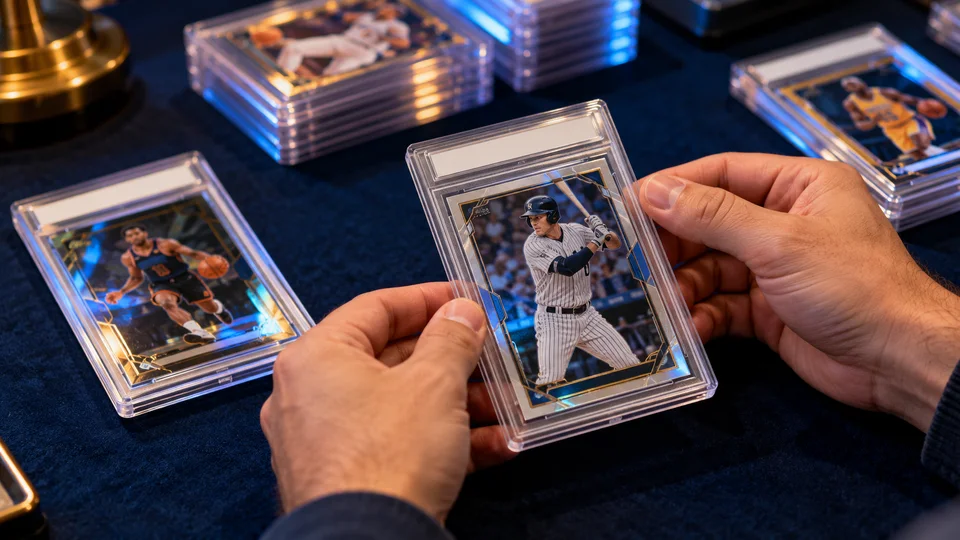
Card show autograph signings: how they work and how to prepare
How autograph signings work at a card show: ticketed and free sessions, what to bring, authentication, good etiquette and how to protect signed items afterward.
Read guide : Card show autograph signings: how they work and how to prepare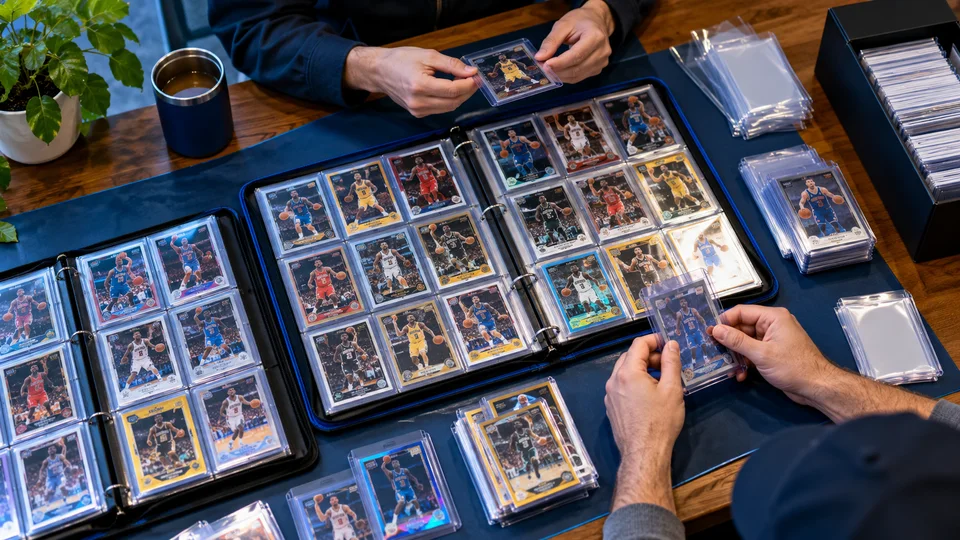
Buying and trading at a card show: a careful buyer's guide
How to buy and trade cards at a card show: set a plan, inspect condition, spot fakes, compare prices, negotiate politely and keep records of every purchase.
Read guide : Buying and trading at a card show: a careful buyer's guide
Card Shows: The Complete Guide to Finding and Enjoying Them
Card shows explained: sports, TCG and mixed events, how to find upcoming shows by state and date, what to bring, early entry and etiquette.
Read guide : Card Shows: The Complete Guide to Finding and Enjoying Them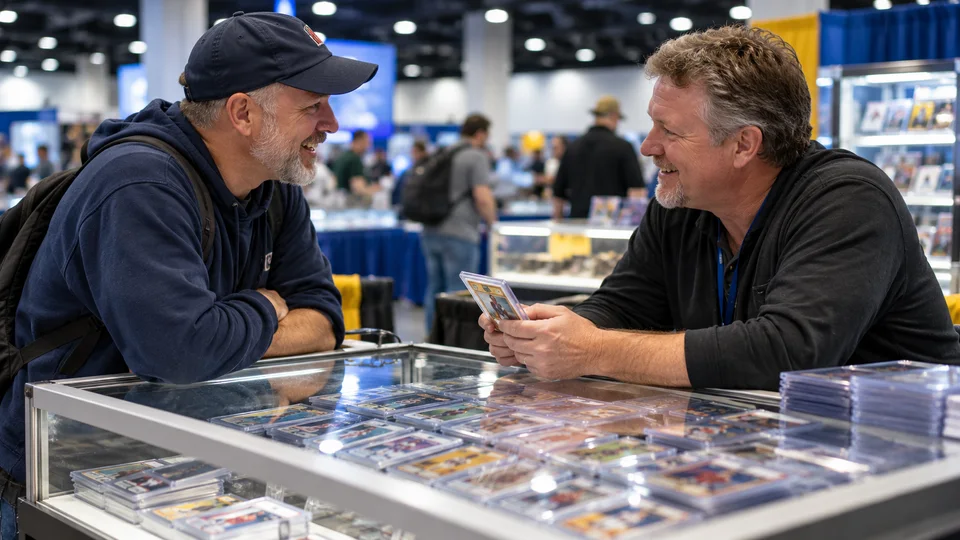
How to Become a Card Show Dealer: A Practical Starter Guide
How to become a card show dealer: start small, choose shows, set up your table, build inventory, handle payments and safety, and grow a regular circuit.
Read guide : How to Become a Card Show Dealer: A Practical Starter Guide
Pokémon and TCG Card Shows: What to Expect and How to Find Them
Pokémon card shows and TCG card shows explained: singles vs sealed, trade nights, grading, family tips, safe trading and how to find TCG events.
Read guide : Pokémon and TCG Card Shows: What to Expect and How to Find Them