
The weekend field guide
Pokémon and TCG Card Shows: What to Expect and How to Find Them
Pokémon card shows and TCG card shows explained: singles vs sealed, trade nights, grading, family tips, safe trading and how to find TCG events.
Pokémon card shows and other TCG card shows are events built around trading card games, where collectors, players, families and dealers gather to buy, sell and trade cards that are played as much as they are collected. The room feels different from a traditional sports card show: more singles sorted by set, more sealed boxes and packs, more young faces, and often a corner where people sit down and play. If your child just discovered a favorite character, or if you are returning to a game you played years ago, a TCG show is a good way to see the whole hobby in one afternoon.
This guide explains what changes when the focus shifts from sports to trading card games. It covers how the crowd and the tables differ, how sealed product and singles work, what to expect from tournaments and trade nights, how grading fits in, how to shop safely with younger collectors, and how to find TCG-focused events on the directory. If you are brand new to shows in general, start with our complete guide to card shows and come back here for the TCG details.
How TCG card shows differ from sports card shows
At a sports card show, most of the activity revolves around players, teams and seasons. At a TCG show, the unit of interest is a game: its characters or creatures, its sets and expansions, and the rules that give each card a role. That changes almost everything about the way the room works.
The inventory is organized differently. Instead of boxes sorted by player and year, you will see binders and boxes sorted by set, rarity, card type or character. Dealers keep deep stock of singles, which are individual cards that a player might need for a deck or a collector might want for a binder. A single card can be worth a small amount because it is a common game piece, or a great deal because it is scarce, popular or powerful, and those values can move as the game changes.
The crowd is different too. A TCG show often draws a mix of competitive players, casual players, collectors who never play, parents shopping for their kids, and curious newcomers. The energy tends to be lively, with conversations about decks and favorite cards. That is not to say sports shows are quiet, but a TCG event often has a more playful, social feel.
Pricing conversations also differ. Many TCG dealers price singles against a market reference and adjust for condition, and they are used to customers who check their phones before agreeing on a price. Because supply and demand shift with new releases and changes in the game, prices can move faster than in more established sports categories. A dealer may hold prices for a day or reprice on the spot, so having a general sense of the market helps you shop with confidence.
Finally, sports and TCG shows overlap more than you might expect. Many events are mixed, with sports cards in one aisle and TCG tables in another. Our guide to card show dealers explains the different table types you will see at either kind of event.
Singles versus sealed product
One of the first things new TCG shoppers learn is the difference between singles and sealed product, because dealers organize their tables around it.
Singles
Singles are individual cards sold one at a time. Collectors buy them to complete a set, to chase a favorite character, or to add a piece to a binder. Players buy them to improve a deck without gambling on random packs. Singles are the most efficient way to get exactly the card you want, and they are the bread and butter of most TCG tables.
When you shop for singles, check the condition carefully. Look at the corners and edges for whitening or chipping, check the surface for scratches or dents, and examine the centering. In games where the card finish matters, check any special effects such as foil or textured patterns for peeling or clouding. Ask the dealer how they describe condition, since terms can vary from table to table, and look at the card yourself before paying.
Sealed product
Sealed product includes unopened packs, boxes and other factory-packaged items. Some people buy it to open and enjoy the thrill of discovering what is inside. Others buy it to keep sealed as a collectible, and some resell it later. Sealed product can be a satisfying purchase, but it requires attention because the item's value depends on the seal being genuine.
Examine packaging closely. Factory wrapping should look clean and uniform, with no signs of tears, rewrapping, glue marks or irregular seams. Ask the dealer how they store product and where it came from. If a price seems unusually low for a sealed item, be cautious and ask questions. Reputable dealers are comfortable explaining their sourcing and will not pressure you to buy.
Keep in mind that opening product is a gamble. You may get exactly what you hoped for, or you may get common cards. If your main goal is to obtain a specific card, buying the single is usually more predictable and often more economical than hoping to pull it from packs.
Tournaments, play areas and trade nights
Many TCG events include a play component, and it is one of the best reasons to attend if you enjoy the games themselves.
A tournament is an organized competition where players face off in rounds, often with a set format and a registration process. Some shows host their own tournaments, while others partner with local game stores or organizers. If you want to compete, check the listing and contact the organizer to learn how registration works, what format is used and whether you need to bring your own deck. Details differ by event, so confirm everything in advance.
A play area is a space where attendees can sit down for casual games. It is a welcoming place for newcomers, since experienced players are often glad to teach a curious beginner. If you or your child are new to a game, spend a few minutes watching, ask polite questions and let someone show you the basics. Many lifelong players picked up the hobby this way.
Trade nights and trade tables are another feature. These are informal sessions or areas where collectors swap cards with one another. The best trading experiences are slow, friendly and transparent. Lay your cards out so both people can see them, agree on the value of each, and make sure each person is happy before you swap. If something feels hurried, pause. We cover the general etiquette of swaps in our guide to buying and trading at a card show.
Whether you play or not, a play area can be a nice break from shopping. It gives younger attendees a place to sit and lets adults chat with other collectors.
Grading TCG cards
Third-party grading is not only for sports cards. Many TCG collectors submit their best cards to grading services to authenticate them and receive a condition score, and a graded TCG card in a sealed case is a common sight at shows.
Grading can make sense for a card that is scarce, popular and in strong condition, since it adds confidence and makes the card easier to buy and sell. It is less sensible for common cards or items with obvious wear, since the cost of grading can exceed any benefit. Learn what you own, inspect it honestly, and decide whether submission is worthwhile.
If you are shopping for graded TCG cards, inspect the case carefully. Look for cracks, signs of tampering and consistency between the label and the card. Compare the visible condition to the grade; if something looks off, ask the dealer about it. Remember that a grade is a standard applied by an outside company, and that a card can look better or worse in person than the score suggests.
Some shows offer on-site grading drop-off, and the directory has a Card Shows With Grading facet to help you find them. Our guide on preparing cards for grading walks through how to prepare a card so it has the best chance of a good result, and the same steps apply to many TCG cards. Always confirm with the organizer how on-site grading works at a particular event.
Players and collectors in the same room
A TCG show brings together people who care about cards in different ways, and understanding the two main groups helps you navigate the room.
Players focus on usefulness. They want the cards that make a deck work, and they care about condition mostly insofar as it protects the card during play. They tend to shop quickly, know the game's current trends, and look for good prices on singles. A player might sleeve a card immediately and use it in a tournament that same afternoon.
Collectors focus on the card as an object. They care about condition, rarity, artwork, print variations and long-term preservation. They look closely at corners and surfaces, and they may store their purchases in protective holders rather than play with them. A collector might spend an hour looking for one specific version of a favorite character.
Many people are both. A player might collect their favorite cards, and a collector might play casually. Dealers understand both mindsets and often tailor their tables to suit. Some keep play-condition singles at lower prices for players, while others keep pristine copies in cases for collectors. When you shop, tell the dealer what you need. A player who needs a card for a deck and a collector who wants a perfect copy are looking for different things, and a good dealer will guide you to the right option.
Families and younger collectors
TCG shows are often among the most family-friendly events in the hobby. Children love the characters, the artwork and the thrill of collecting, and a show gives them a chance to browse a wide variety of cards in one place.
Set a budget before you arrive and let the child make choices within it. A small budget teaches comparison and decision-making, and it prevents overspending. Bulk boxes and inexpensive singles are great for younger collectors, who can build a binder without a large outlay. Encourage them to ask dealers questions, which builds confidence and knowledge.
Teach handling basics: hold cards by the edges, use sleeves, keep cards in a binder or box, and ask permission before touching anything on a table. Explain that cards have different values and that a card that looks plain might be worth more than it seems, and vice versa. A little knowledge protects young collectors from being talked out of something valuable.
Keep an eye on the clock and the child's energy. A short, enjoyable visit is better than a long, tiring one. Build in time for a break in the play area if there is one, and let your child pick a small treat at the end of the day. That memory is what makes a young collector want to return. If your family likes mixing categories, our complete card shows guide has more on planning a day that works for everyone.
Staying safe with trades and purchases
TCG events involve a lot of casual swapping, and a few precautions keep the experience positive.
Know what you have. Before you trade, understand what your cards are worth and what you are willing to give up. Avoid trading cards you do not know much about, especially with someone who seems eager to rush. If a trade partner will not let you inspect their cards or will not agree on clear terms, walk away.
Watch for counterfeits and altered items. Fake cards exist in many games, and some are convincing. Be cautious of cards with unusual print quality, off colors, odd texture or a feel that differs from other cards you own. Prices that are far below the market are a warning sign. If you are unsure, ask a trusted dealer or experienced collector to look at the card before you buy or trade.
Handle sealed product with care. Ask about the origin of any unusual item and look closely at the packaging. Avoid deals that depend on a quick decision or a request to meet away from the show.
Protect your own cards. Keep valuable singles in sleeves and holders, and keep your binder or box close. Do not leave your items unattended on a table, and do not hand your collection to someone you do not know. When you finish a trade, put the new cards away right away to avoid confusion.
For younger collectors, adult supervision on larger trades is wise. A child might be excited to swap a favorite card for something that looks flashy but has little value, and a parent can help them make a choice they feel good about later.
How to spot TCG-focused shows on the directory
The USCardShows directory makes it straightforward to find events that match your interests. Two of its facets are especially useful for TCG fans: Pokémon Card Shows and TCG Card Shows. Applying either one narrows the list to events where trading card games are a central feature rather than an afterthought.
Browse by state first, then by date. Looking at the card show schedule a few weeks ahead gives you time to plan, and checking what is on this weekend helps if you want a spontaneous outing. Open a listing to see the venue, hours and admission details, and read the description for clues about the event's focus. If it mentions a play area, tournament or trade tables, you can expect a more game-centered experience.
Consider also whether the event is a monthly card show. Recurring TCG shows build a community of regulars, and you will see the same dealers and players returning. That makes it easier to build relationships, find the singles you need and learn from others. If you are curious about the sellers, the dealer directory is the site's place to look up dealers and plan which shows to visit. Dealers' tastes and specialties vary, so look for those whose focus matches yours.
Always confirm the details with the organizer before you travel. Schedules, tournament formats and features can change, and a quick check prevents disappointment. If you want to turn your own interest into a table at a show, our guide on how to become a card show dealer explains how to get started.
Find your next TCG event
Whether you are chasing a favorite character, building a deck or watching your child discover the hobby, a TCG show is a fun, social way to spend a weekend. Browse upcoming events at the USCardShows directory to find one near you, and visit the card show dealers section to plan which shows to visit and who you might meet when you get there.
Frequently asked questions
What is a Pokémon card show?
A Pokémon card show is an event where dealers and collectors buy, sell and trade Pokémon cards and related items. It may be a dedicated event or a section of a mixed show. Expect singles, sealed product, binders and sometimes a play area.
How are TCG card shows different from sports card shows?
TCG shows center on games and are organized by set, rarity and character rather than by player and season. They tend to include more players, families and young collectors, and many have play areas or tournaments. Prices can also shift faster with new releases.
Should I buy singles or sealed product?
If you want a specific card, singles are usually the most reliable choice. Sealed product is better if you enjoy opening packs or want to keep items unopened as collectibles. Inspect sealed packaging carefully before buying.
Can I get my TCG cards graded at a show?
Some shows offer on-site grading drop-off with third-party grading services. Use the Card Shows With Grading facet in the directory to find them, and confirm the process with the organizer. Grading is most worthwhile for scarce cards in strong condition.
Are TCG shows good for kids?
Yes, they are often very family friendly. Set a small budget, teach careful handling, and keep the visit short and fun. A play area can provide a break and a chance to meet other young players.
How do I trade safely at a TCG show?
Know the value of your cards, inspect what you are receiving, and agree on terms before swapping. Be cautious of rushed deals and of cards that look or feel off. Parents should supervise larger trades involving young collectors.
Do I need to play the game to enjoy the show?
Not at all. Many attendees only collect, and others only browse. You can enjoy the artwork, find cards you like and talk with other fans without ever joining a game.
How do I find TCG card shows near me?
Use the Pokémon Card Shows and TCG Card Shows facets in the directory and browse by state and date. Check each listing for details and confirm with the organizer before you go.
Put your plan into motion
Find your next show.
Use the listing's official source to confirm the latest dates, public hours and entry rules.
Find shows in this directoryKeep planning
More useful guides
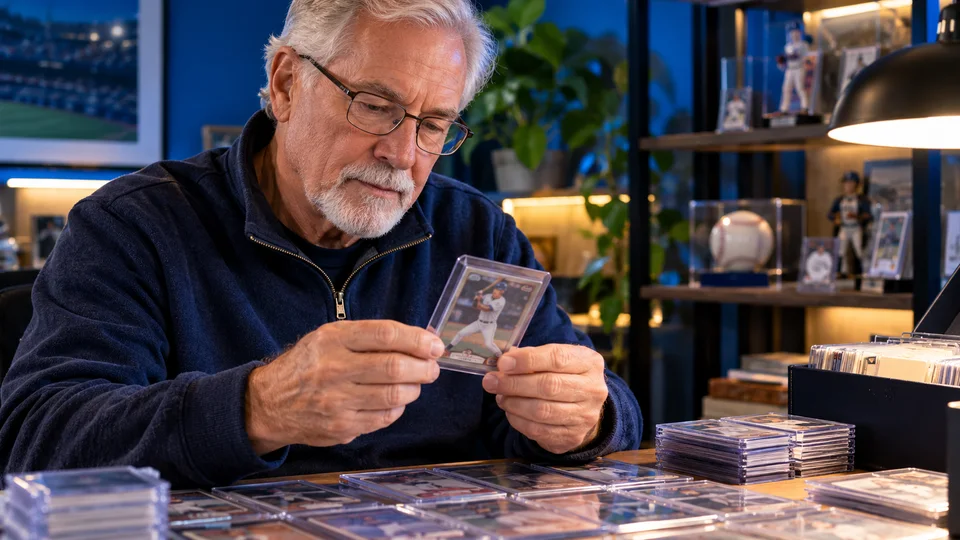
Planning your first show: a visitor checklist
Choose a show that suits your interests, confirm the practical details and keep the organizer’s information handy before you travel.
Read guide : Planning your first show: a visitor checklist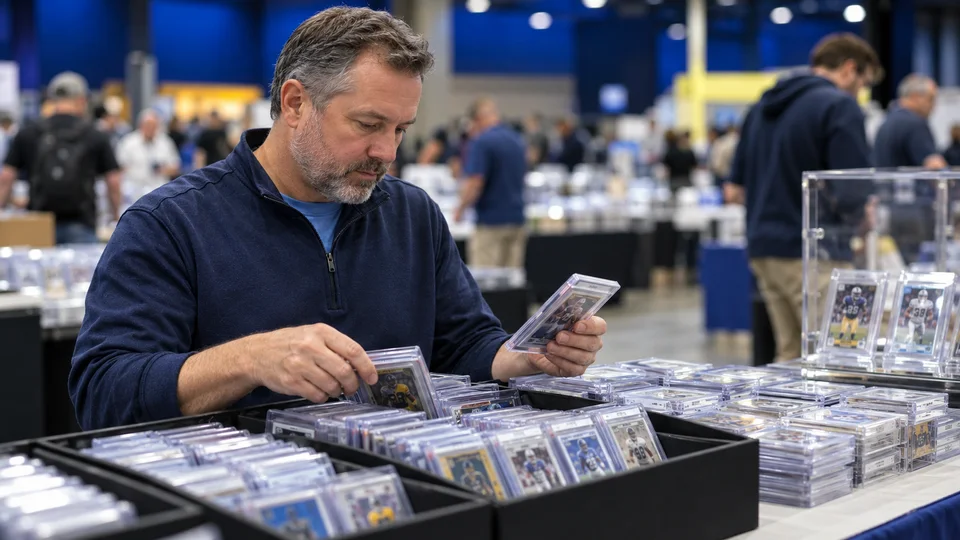
Preparing to sell at a card show: a seller checklist
Confirm your seller application, table equipment, setup time and organizer terms before booking a place at a card show.
Read guide : Preparing to sell at a card show: a seller checklist
Selling at a card show: table setup and pricing without guesswork
How to sell at a card show: read the dealer terms, plan your stock, set up a clear table, price from recent sales, handle trades and payment, and pack out safely.
Read guide : Selling at a card show: table setup and pricing without guesswork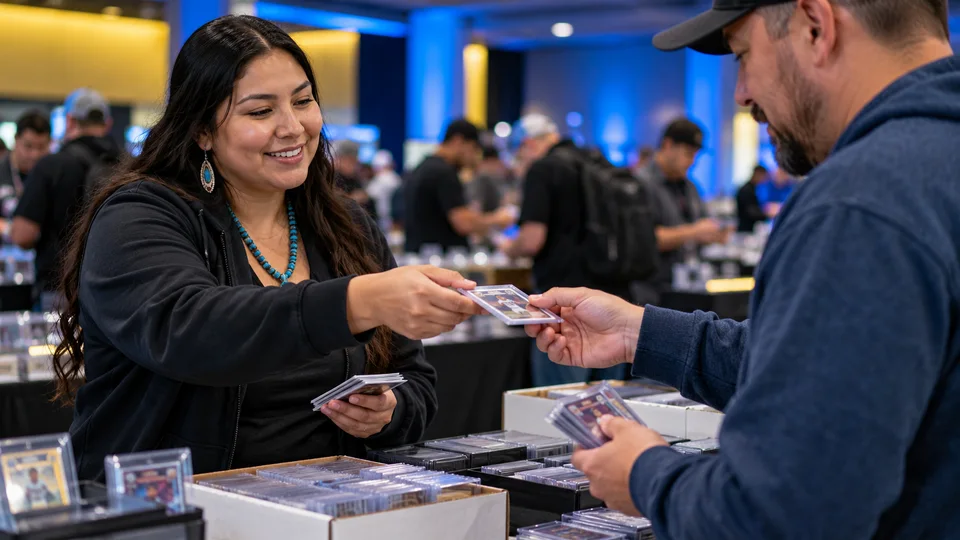
Preparing cards for grading: what to check before you submit
Before you submit a card for grading, decide if it is worth it, check centering, corners, edges and surface, protect it, and learn the service terms and timing.
Read guide : Preparing cards for grading: what to check before you submit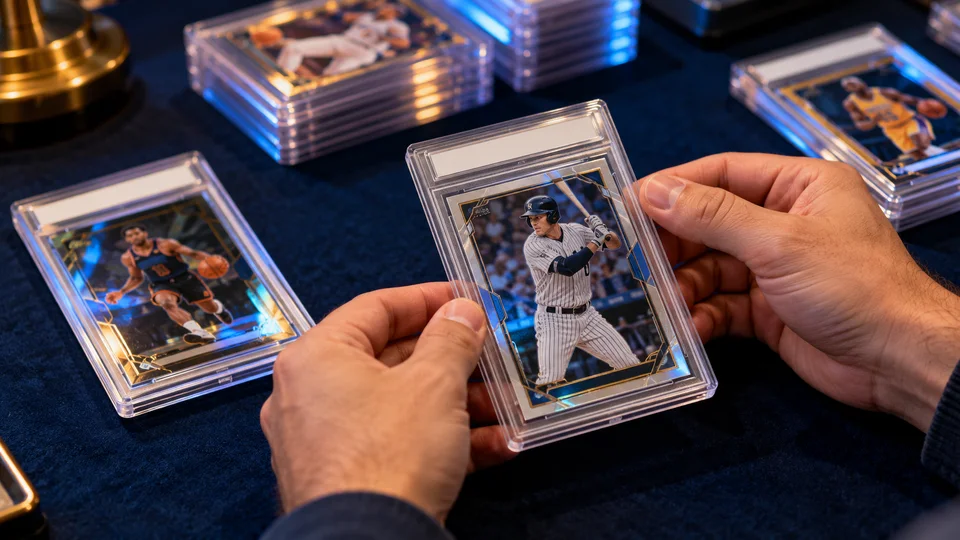
Card show autograph signings: how they work and how to prepare
How autograph signings work at a card show: ticketed and free sessions, what to bring, authentication, good etiquette and how to protect signed items afterward.
Read guide : Card show autograph signings: how they work and how to prepare
Buying and trading at a card show: a careful buyer's guide
How to buy and trade cards at a card show: set a plan, inspect condition, spot fakes, compare prices, negotiate politely and keep records of every purchase.
Read guide : Buying and trading at a card show: a careful buyer's guide
Card Show Dealers: How to Find, Evaluate and Buy From Them
Learn how to find and evaluate card show dealers, read raw vs graded cards, negotiate fair prices and follow trusted dealers to monthly shows.
Read guide : Card Show Dealers: How to Find, Evaluate and Buy From Them
Card Shows: The Complete Guide to Finding and Enjoying Them
Card shows explained: sports, TCG and mixed events, how to find upcoming shows by state and date, what to bring, early entry and etiquette.
Read guide : Card Shows: The Complete Guide to Finding and Enjoying Them
How to Become a Card Show Dealer: A Practical Starter Guide
How to become a card show dealer: start small, choose shows, set up your table, build inventory, handle payments and safety, and grow a regular circuit.
Read guide : How to Become a Card Show Dealer: A Practical Starter Guide