
The weekend field guide
Card Shows: The Complete Guide to Finding and Enjoying Them
Card shows explained: sports, TCG and mixed events, how to find upcoming shows by state and date, what to bring, early entry and etiquette.
Card shows are organized events where dozens, sometimes hundreds, of independent dealers rent tables in one hall and sell, buy and trade trading cards and related collectibles face to face. You walk in, pay admission at the door, and spend a few hours browsing everything from penny-box bulk to carefully protected single cards, with other collectors working the same aisles. If you have only ever bought cards online or at a retail shelf, a card show is the fastest way to see how much more is out there, and to put your hands on things before you pay for them.
This guide is for anyone who wants to get the most out of card shows, whether you collect sports cards, trading card games, memorabilia, or a bit of everything. It explains what a show actually is, how sports, TCG and mixed events differ, how to find upcoming card shows by state and date, how to plan a show day, and how to behave so dealers and fellow collectors are glad to see you. The practical advice here comes from how shows tend to run in general; always check the details of any specific event before you go.
What a card show is and how it works
A card show is a temporary marketplace. A promoter or club books a venue, such as a convention hall, fairground building, hotel ballroom, community center or armory, and rents tables to vendors. Those vendors are called card dealers, card show dealers or simply sellers, and each one decides what to bring. Collectors pay a modest admission, walk the aisles, and negotiate directly with whoever is behind the table. There is no checkout line and no fixed price list. Everything is a conversation.
That conversation is the main difference between a card show and a card shop. A shop has regular hours, a curated inventory and a consistent price point. A show is a once-or-twice-a-month event where many sellers with different tastes and different customers collect in one place. You will see inventory you would never find on a single shop's shelf, and you will often find dealers who specialize narrowly, such as a vintage football dealer, a hockey dealer, or a table that deals only in a single trading card game.
Shows are organized by people who care about the hobby, and they vary in size. A small local show might fill a single room with a few dozen tables and feel like a neighborhood gathering. A large regional show can fill an entire exhibition hall and draw collectors who travel for hours. The core experience is the same: tables, cases, long boxes, binders, and people talking cards.
Most shows also include side attractions. Some bring in autograph guests, some offer on-site grading submission or grading drop-off, some run raffles or door prizes, and some host a tournament area for a trading card game. The directory lets you filter for features like autograph signings and card shows with grading, so you can match a show to your goals. Our guides on card show autograph signings and preparing cards for grading cover those two topics in depth.
Sports card shows, TCG shows and mixed shows
Not every show is the same kind of event, and knowing which type you are walking into saves disappointment.
Sports card shows lean toward baseball, basketball, football, hockey and soccer cards, along with memorabilia, game-used items, programs, pennants and similar pieces. The crowd skews toward set builders, player collectors, team collectors, investors watching rookies, and people reliving the cards they grew up with. You will find vintage and modern sections, boxes of sealed product, and plenty of tables where a single glance reveals how much a dealer knows about one era.
TCG card shows center on trading card games such as Pokémon, Magic: The Gathering and similar titles. Here the tables are full of singles sorted by set, sealed boxes and packs, binders full of favorite characters or powerful game pieces, and sometimes a play area where people sit down and compete. The crowd is younger on average, with a lot of families, and the pace is livelier. If your interest is mainly in these games, read our dedicated page on Pokémon and TCG card shows for what changes from one type of event to the other.
Mixed shows combine everything. One aisle might be vintage sports, the next a row of TCG singles, and another table might be comics-adjacent collectibles, trading cards from entertainment properties, or non-sport sets. Mixed shows are a good fit for families with different tastes, and for collectors who like browsing outside their usual lane. The downside is that the depth in any single category can be thinner than at a specialist event.
When you read a listing on the directory, look at the description and tags rather than the name alone. Features such as Pokémon card shows or TCG card shows in the filters tell you whether trading card games are central, while sports-focused listings tell you what to expect for baseball, basketball, football, hockey and soccer cards.
How to find card shows near you
The simplest way to find a card show near me is to start with the state you are in or willing to drive to, then narrow by date. The USCardShows directory is organized exactly that way: you can browse upcoming card shows by state, look at the schedule by date, and open a listing to see the venue, hours, admission information and any notes the organizer provided.
A practical approach is to look at the card show schedule for the next two or three months rather than just the next weekend. Shows with good attendance are planned well ahead, and knowing the calendar lets you budget, arrange travel and ask for time off. If you want a quick outing, check what is happening this weekend, since listings are often updated as events firm up. If you are planning a trip that happens to pass through another state, look there too; many collectors build a weekend around a good show.
Once you have a candidate, confirm the basics with the organizer, because details can change:
- The exact start and end times, and whether Saturday and Sunday have different hours.
- The admission price and whether children get in free or at a reduced rate.
- Whether there is an early entry option and how it works.
- Parking and whether the venue charges for it.
- Whether the show has a specific focus, such as sports, TCG or a mix.
If you collect locally, a monthly card show at the same venue is one of the best things to find. A show that returns on a regular schedule builds a loyal community, and its dealers tend to show up again and again, which means you can follow up on items you saw last time. The dealer side of this is covered in our card show dealers guide, and if you ever want to rent a table yourself, see how to become a card show dealer.
Weekend routines that work
Most card shows happen on weekends, which means Saturday morning tends to be the busiest and Sunday tends to be calmer. Each has its advantages. Saturday brings the biggest crowd and the widest selection, because dealers have just set up and their best stock is out. Sunday often brings relaxed negotiating, because dealers are thinking about what they would rather sell than pack up and carry home.
A reliable routine looks like this. Check the schedule the night before and pack your supplies. Arrive a little before opening, especially if you plan to pay for early entry. Take a first lap of the room without buying anything; your goal is to see who has what and note prices. On the second lap, start dealing. This avoids the classic mistake of buying the first thing you find and discovering a better copy two aisles later.
Plan your breaks. A long show can mean several hours of standing, bending and talking. Drink water, eat something, and sit down for a few minutes when you need to. Tired collectors make poor decisions. If you are bringing family, build the day around the youngest member's patience rather than your own.
Finally, give yourself a stopping rule. Decide in advance how much you will spend and what you are hunting for, and stick to it unless something truly exceptional appears. A show is built to tempt you, and that is part of the fun, but a budget keeps it fun.
What to bring to a card show
Pack light but deliberately. The most useful items are not expensive.
Payment comes first. Many dealers prefer cash because it keeps transactions simple, though plenty accept electronic payments. Bring a mix, and bring smaller bills so you can pay exact amounts. Having cash also gives you a little negotiating leverage when a dealer is deciding whether to round down. Confirm with each dealer what forms of payment they take before you agree to a purchase.
Bring protective supplies. Penny sleeves, top loaders, semi-rigid holders and a few magnetic cases cover most situations, and a small box or sturdy bag keeps purchases from getting bent on the walk to the car. Protecting cards the moment you buy them is basic hobby hygiene. Cards that go straight from a table into a jacket pocket are the ones that end up with corner dings.
Bring a want list. This might be a note on your phone or a printed page listing the players, teams, sets, parallels, characters or card numbers you are chasing. Dealers can often tell you quickly if they have something on your list or know who does. A want list is also the best defense against impulse buying, because it keeps you pointed at what you actually collect.
A few smaller items round out the kit: a pen, a phone with a charged battery, a small light if you want to inspect surfaces, a magnifier if you look closely at print quality, and a bag for your purchases. If you plan to trade, bring the cards you are willing to part with in a binder or box so you can show them cleanly.
Early entry: is it worth it?
Many shows offer early entry for an additional fee, letting you in before the general doors open. The appeal is simple: the room is quieter, dealers have just set up, and you get first look at fresh inventory. If you are hunting a particular item that is likely to move quickly, early entry can be the difference between buying it and hearing that it sold five minutes ago.
Early entry is not for everyone. If you are mostly browsing, if you have kids who need a gentler pace, or if you are on a tight budget, general admission is fine, and you will still see plenty. Another option is to arrive at the start of general admission and plan to work the room methodically. The directory listing often notes whether a show has early entry, but the organizer is the final authority on timing and price.
Etiquette: how to be a good guest
Card shows run on good manners. The room is full of valuable, fragile items and people who rely on each other's goodwill, so a few simple habits go a long way.
Ask before you touch. A dealer's cases and display pieces are their stock, and handling them without permission is a quick way to lose their trust. When a dealer hands you a binder or a graded slab, hold it carefully, over the table, and return it where you found it.
Be considerate with space. Aisles can be tight, and standing in the middle of one to scroll through your phone blocks the flow. Step aside to check your list, and avoid setting a bag or backpack on a dealer's table. If you have a large bag, keep it in front of you or at your side so you do not sweep a display.
Negotiate respectfully. Asking whether there is any flexibility on a price is normal, and most dealers expect it. Insulting an offer, haggling over very small items, or hovering while pretending to decide wastes everyone's time. If you do not want to buy, a polite "thanks, I'll keep looking" is enough.
Keep things honest. Do not switch cards, remove price stickers, or open sealed product to peek. If you notice a pricing error in your favor on a significant item, it is a good practice to point it out; the community is small and reputations travel. If you find a problem with an item after purchase, speak to the dealer politely; many will work with you, especially if you describe the issue calmly.
Trading versus buying
Both are part of the card show experience, and they call for slightly different habits.
Buying is straightforward: you agree on a price, pay and take the item. The key is to do your homework in advance and trust your eyes. Check condition carefully, compare prices at several tables, and remember that the price on a tag is an opening position rather than a final answer. Our guide to buying and trading at a card show goes through condition checks, negotiation and trades step by step.
Trading is a more personal transaction. Instead of money, you offer cards and the other party decides whether the swap is fair. Some shows have an informal trading area, especially at TCG-focused events. If you trade, bring organized material, know roughly what your cards are worth, and be willing to say no. A good trade leaves both people happy. If you feel pressure to decide quickly, slow down; a fair partner will understand.
Dealers also buy. If you want to sell part of your collection, many are happy to look through a box and make an offer. Keep in mind that a dealer buying for resale cannot pay the same as a retail price, because they need room to make a living. If you are thinking seriously about selling, our guide on selling at a card show explains the logic from both sides of the table.
Card shows for kids and families
Card shows can be wonderful for families, and the hobby has a long tradition of passing from one generation to the next. A few adjustments make the day work better for younger collectors.
Set a small budget and let the child control it. Giving a young collector a modest amount to spend teaches them how to compare, choose and say no. Bulk boxes, often called dime boxes or dollar boxes at some tables, are ideal for kids because they can browse freely and find something affordable. Many dealers enjoy talking with newcomers and will point a child toward cards that match their interests.
Teach basic habits early: hold cards by the edges, put them into a sleeve right away, ask before touching, and say thank you. Remind children to stay close, because aisles are busy and tables are full of valuable items. If there are a lot of young people at a show with a TCG focus, a play area or a trade table can give them a break from browsing.
Keep the day short and fun. An hour or two at a show is plenty for a first visit. Ending while the child is still excited makes them want to return, and that is how collectors are made.
Reading a listing and making a plan
When you open a show listing on the directory, treat it as a planning sheet. Check the date and the hours first, then the venue and its location, then admission and any notes on parking or early entry. If the listing mentions special features such as autograph signings, on-site grading, or a TCG focus, read those carefully, because they affect how you will spend your time.
Compare two or three shows in your area side by side. A smaller show close to home may be a better choice than a large one that requires a long drive, especially if you are new. A monthly card show at a regular venue is an excellent place to practice before you plan a bigger trip, and it lets you build relationships with dealers over time.
After the show, review what you bought. Note which dealers had good inventory and fair prices, and write down what you would do differently. This is how a casual attendee becomes a confident collector. Over time you will build a mental map of the shows and tables you trust.
Your next card show
The best way to learn the hobby is to go. Pick a show close to home, bring a want list and a modest budget, and spend an hour or two walking the aisles. You will quickly develop a feel for how dealers price their cards, how to evaluate condition, and which tables you enjoy returning to. When you are ready, browse upcoming events at the USCardShows directory and check card show dealers to see who you might meet before you arrive.
Frequently asked questions
What is a card show?
A card show is an event where independent dealers rent tables to sell, buy and trade trading cards and related collectibles in one location. Collectors pay admission and browse the aisles, negotiating directly with sellers. Shows range from small local gatherings to large regional events.
How do I find card shows near me?
Browse the directory by state and date to see upcoming card shows, then open a listing for the venue, hours and admission details. Look a few months ahead so you can plan travel. Always confirm the final details with the organizer before you go.
How much should I bring to a card show?
Bring only what fits your budget, and carry a mix of cash and a payment method as a backup. Decide on a limit before you arrive and consider keeping some smaller bills for exact payments. A want list helps keep your spending on target.
Is early entry worth it?
It depends on your goals. If you are hunting a specific item or want a quieter room, early entry can be valuable. If you are browsing casually or attending with young children, general admission is usually enough.
Can kids go to card shows?
Yes, and many families attend together. Set a small budget, teach careful handling, and keep the visit short. Shows with a TCG focus or a play area are often especially friendly to younger collectors.
What is the difference between a card show and a card shop?
A shop has regular hours and a single owner's inventory, while a show is a temporary event with many independent dealers in one hall. Shows offer greater variety and more room to negotiate, while shops offer convenience and consistency. Many collectors use both.
Do card shows have autographs and grading?
Some do. Certain events feature signing guests or on-site submission to third-party grading services. Use the directory's facets for autograph signings and card shows with grading to find those events, and confirm details with the organizer.
Should I buy at the first table I see?
Usually not. Walk the whole room first to compare prices and condition, then return to the best option. The exception is a truly rare item you are certain you want; those can sell quickly.
Put your plan into motion
Find your next show.
Use the listing's official source to confirm the latest dates, public hours and entry rules.
Find shows in this directoryKeep planning
More useful guides
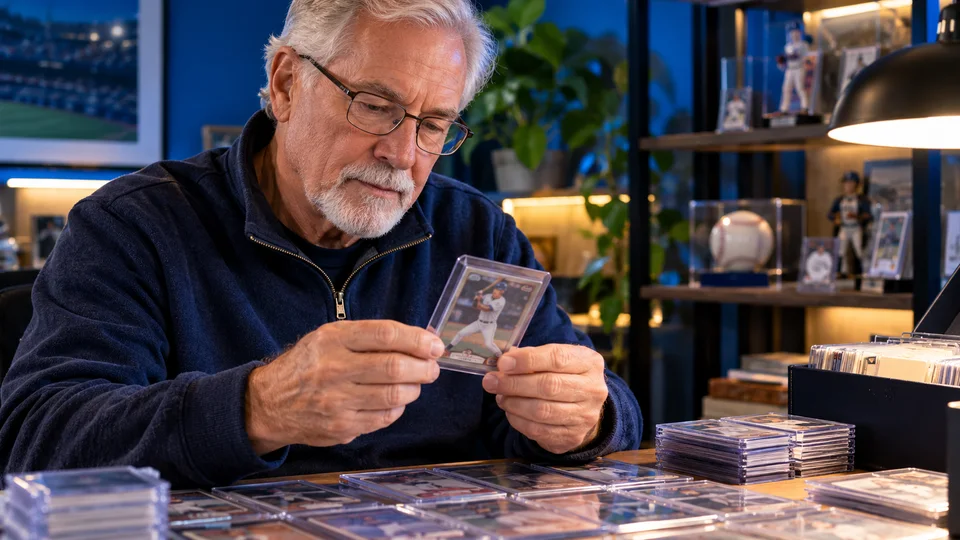
Planning your first show: a visitor checklist
Choose a show that suits your interests, confirm the practical details and keep the organizer’s information handy before you travel.
Read guide : Planning your first show: a visitor checklist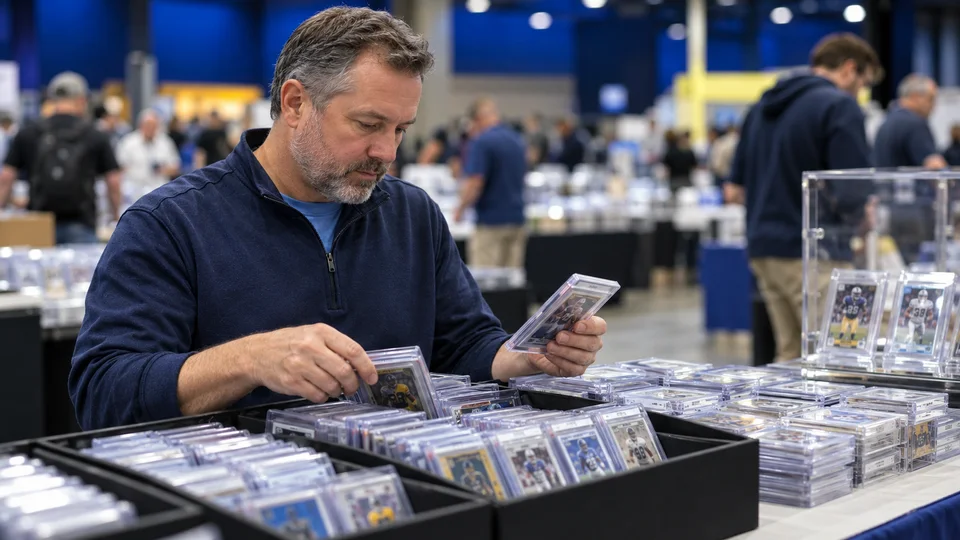
Preparing to sell at a card show: a seller checklist
Confirm your seller application, table equipment, setup time and organizer terms before booking a place at a card show.
Read guide : Preparing to sell at a card show: a seller checklist
Selling at a card show: table setup and pricing without guesswork
How to sell at a card show: read the dealer terms, plan your stock, set up a clear table, price from recent sales, handle trades and payment, and pack out safely.
Read guide : Selling at a card show: table setup and pricing without guesswork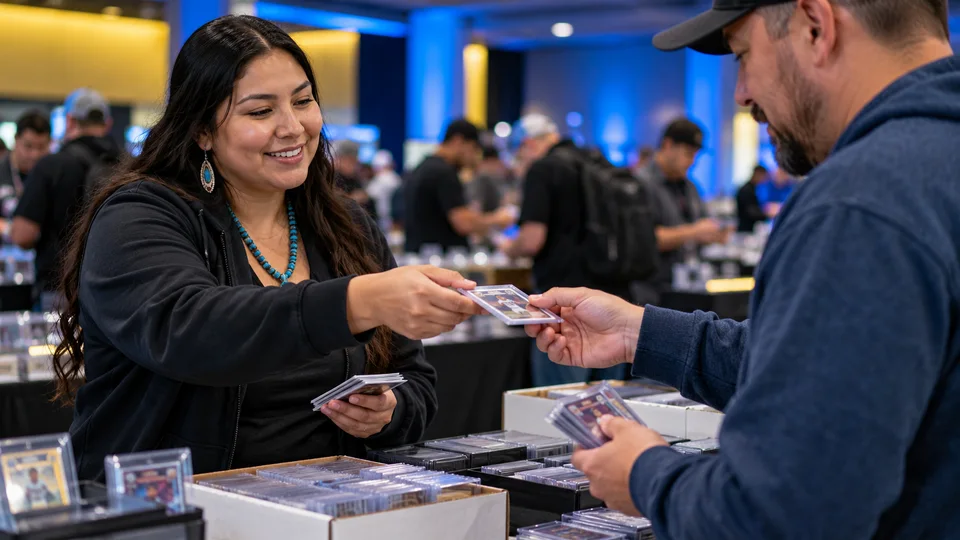
Preparing cards for grading: what to check before you submit
Before you submit a card for grading, decide if it is worth it, check centering, corners, edges and surface, protect it, and learn the service terms and timing.
Read guide : Preparing cards for grading: what to check before you submit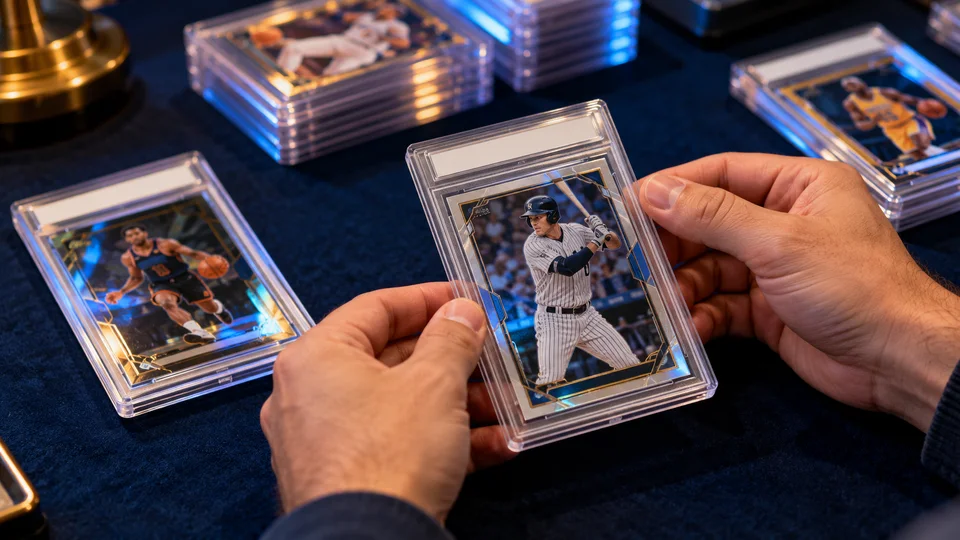
Card show autograph signings: how they work and how to prepare
How autograph signings work at a card show: ticketed and free sessions, what to bring, authentication, good etiquette and how to protect signed items afterward.
Read guide : Card show autograph signings: how they work and how to prepare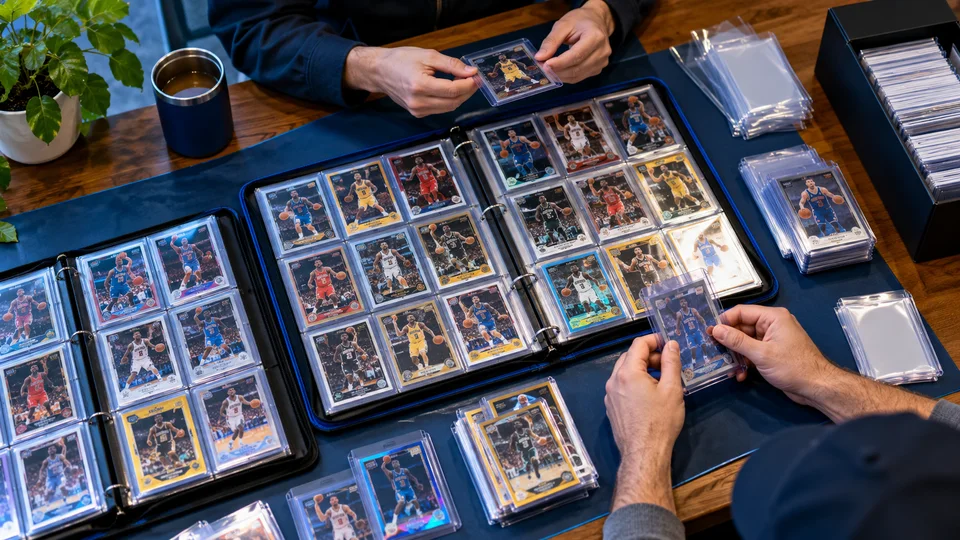
Buying and trading at a card show: a careful buyer's guide
How to buy and trade cards at a card show: set a plan, inspect condition, spot fakes, compare prices, negotiate politely and keep records of every purchase.
Read guide : Buying and trading at a card show: a careful buyer's guide
Card Show Dealers: How to Find, Evaluate and Buy From Them
Learn how to find and evaluate card show dealers, read raw vs graded cards, negotiate fair prices and follow trusted dealers to monthly shows.
Read guide : Card Show Dealers: How to Find, Evaluate and Buy From Them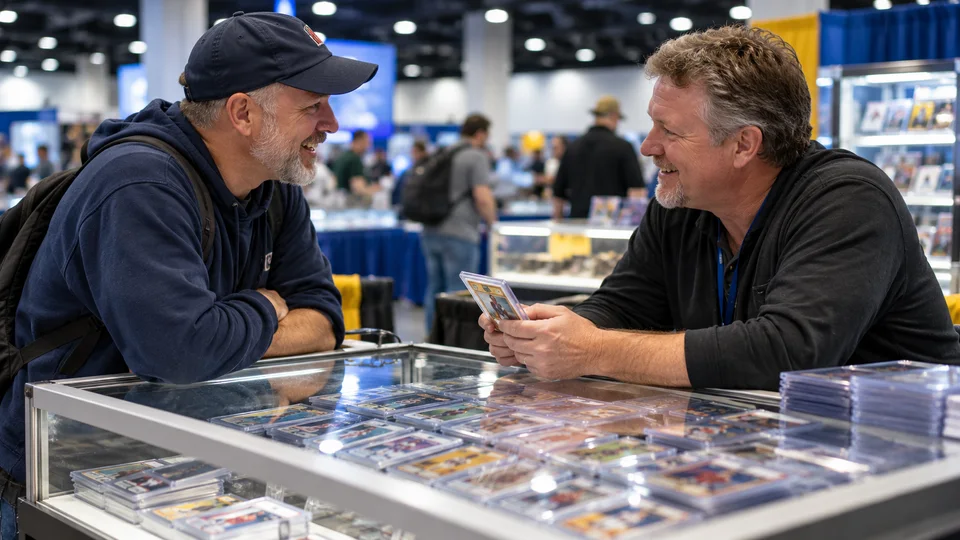
How to Become a Card Show Dealer: A Practical Starter Guide
How to become a card show dealer: start small, choose shows, set up your table, build inventory, handle payments and safety, and grow a regular circuit.
Read guide : How to Become a Card Show Dealer: A Practical Starter Guide
Pokémon and TCG Card Shows: What to Expect and How to Find Them
Pokémon card shows and TCG card shows explained: singles vs sealed, trade nights, grading, family tips, safe trading and how to find TCG events.
Read guide : Pokémon and TCG Card Shows: What to Expect and How to Find Them